Predicting drug-induced nephrotoxicity remains a challenge in preclinical development
Established preclinicalin vitromodels have limited utility in predicting early indicators of nephrotoxicity due to the inability to recreate the dynamicin vivomicroenvironment. Cell lines have diminished transporter expression and functionality over time and are often not sensitive enough to respond to clinically relevant drug concentrations. Meanwhile, animal models have species differences in renal transporters, drug pharmacokinetics and pharmacodynamics, and metabolic responses. Taken together, improved preclinical kidney models are needed to improve patient safety.
Benefits
An improved preclinical model of nephrotoxicity for better clinical translation
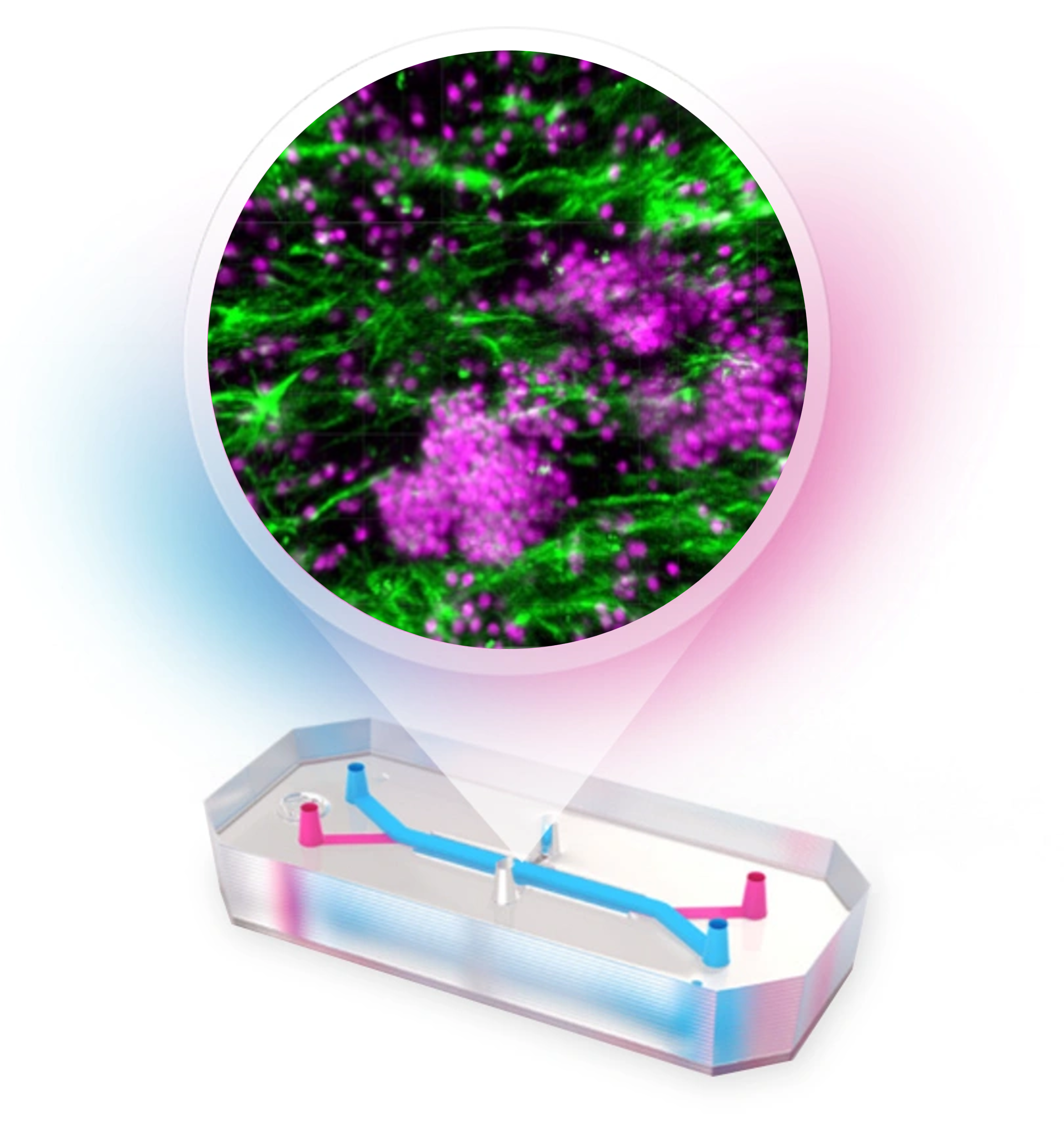
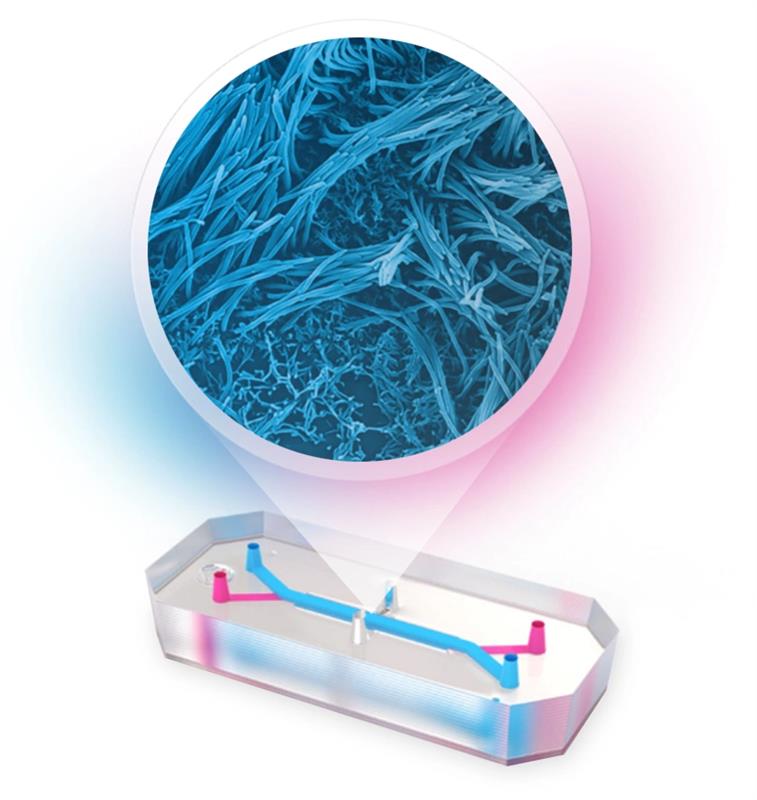
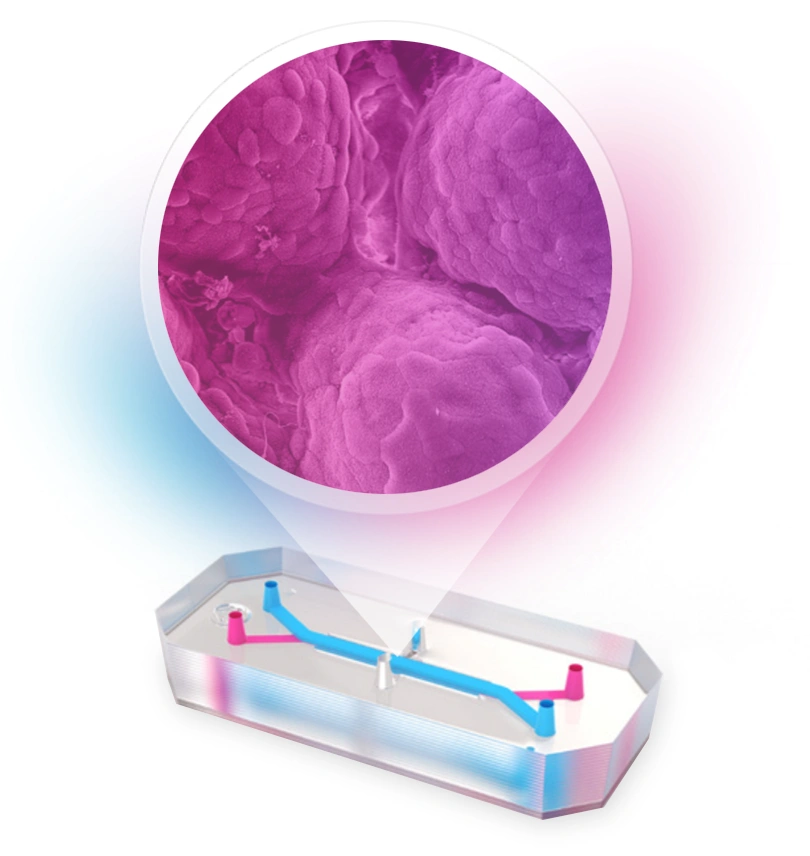
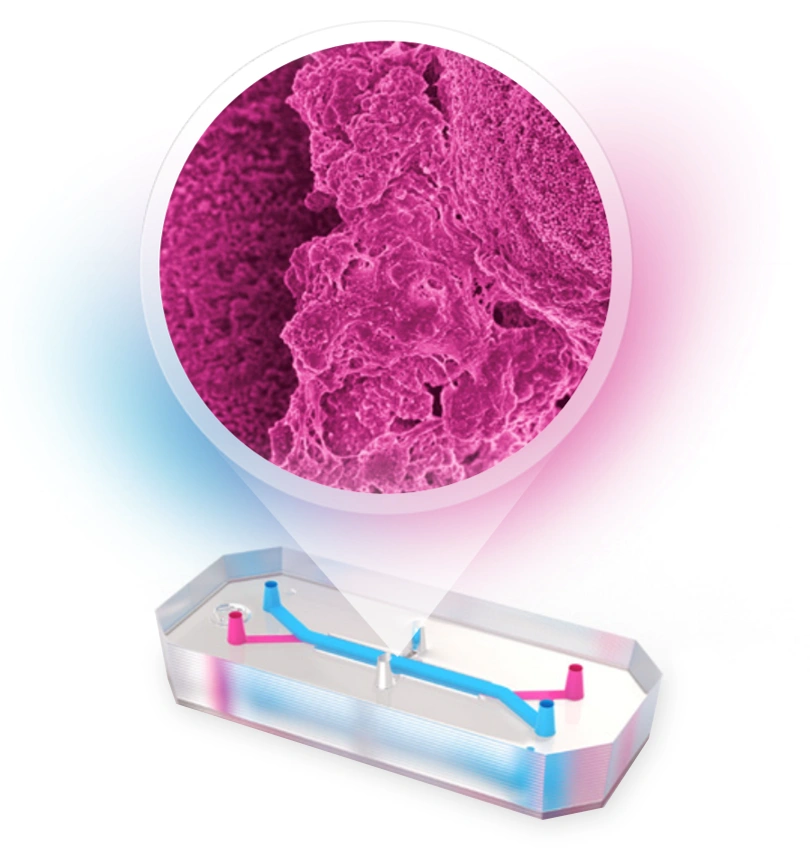
Unlike conventional in vitro models, the Kidney-Chip can model mechanisms of drug-induced nephrotoxicity at clinically relevant drug concentrations. Side-by-side studies demonstrate the Kidney-Chip has better concentration-dependent responses than static epithelial monoculture models. A diverse array of endpoints can be measured, including morphological damage, cell death (LDH, ALP), oxidative stress, and a kidney injury panel (KIM-1, clusterin, TFF3, VEGF).