Duodenum Intestine-Chip

Catalogue No.

Colon Intestine-Chip
  • Description
  • Characterization
  • Benefits

Supplier

Emulate Bio

|

Catalogue No.

Colon Intestine-Chip

Duodenum Intestine-Chip

Study drug absorption and drug-drug interactions in a primary organoid-based model of the human small intestine

The Duodenum Intestine-Chip is a BioKit Model that Emulate has internally developed and validated. It is available as a BioKit, which includes pre-qualified cells, Organ-Chip consumables, and validated protocols, with guarantees on characterization and functionality.


  • Description
  • Characterization
  • Benefits
Description icon

Study drug absorption and drug-drug interactions in a primary organoid-based model of the human small intestine

The Duodenum Intestine-Chip is a BioKit Model that Emulate has internally developed and validated. It is available as a BioKit, which includes pre-qualified cells, Organ-Chip consumables, and validated protocols, with guarantees on characterization and functionality.


Characterization icon

An improved model of the human duodenum

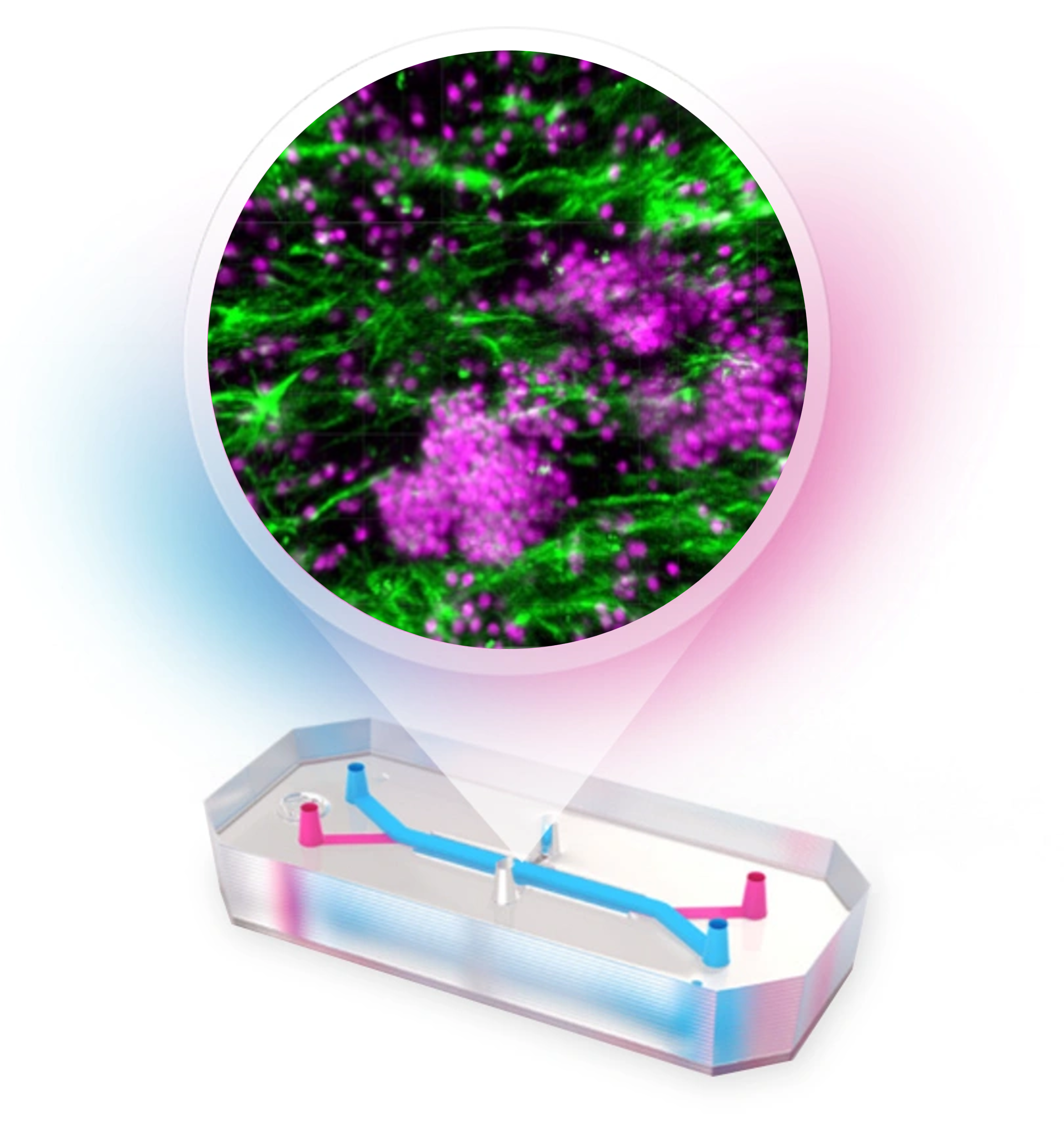
The Duodenum Intestine-Chip combines primary human duodenal organoids and small intestine microvascular endothelial cells with mechanical forces that recreate intestinal peristalsis. In this dynamic microenvironment, cells become well-polarized and exhibit in vivo-like morphology, functionality, and gene expression, while allowing for access to the apical surface.

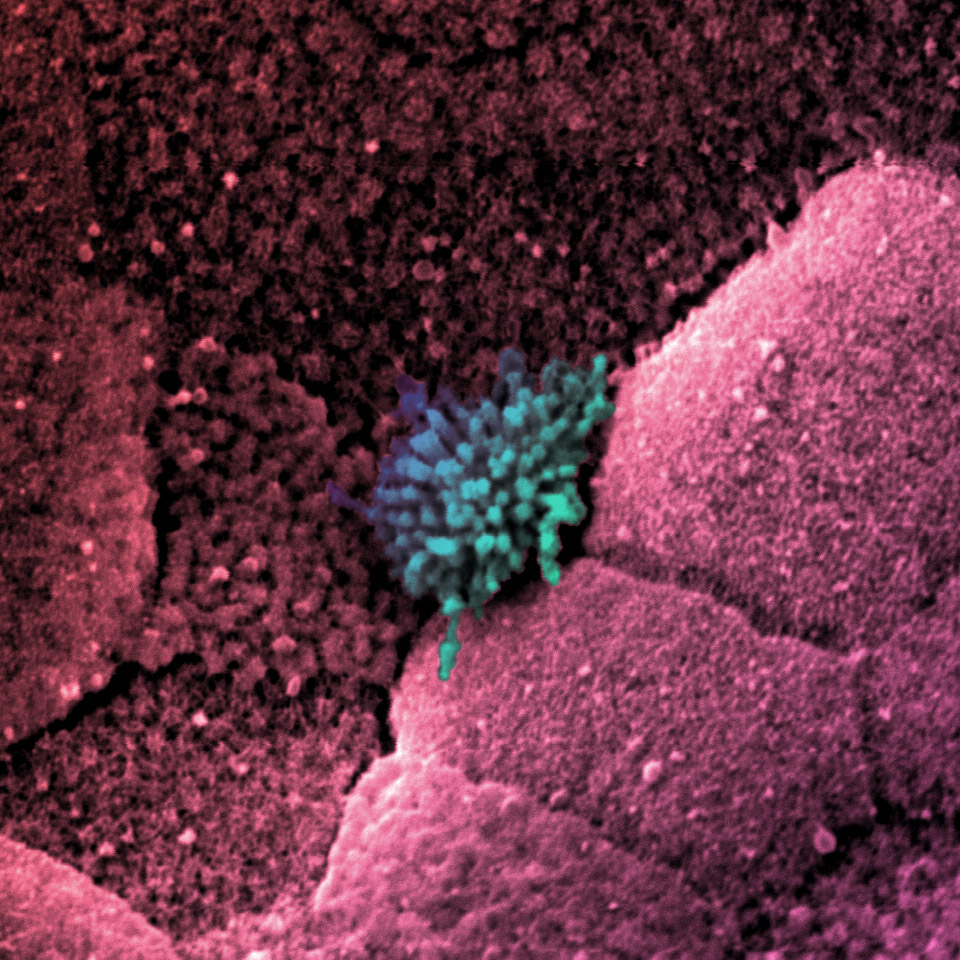
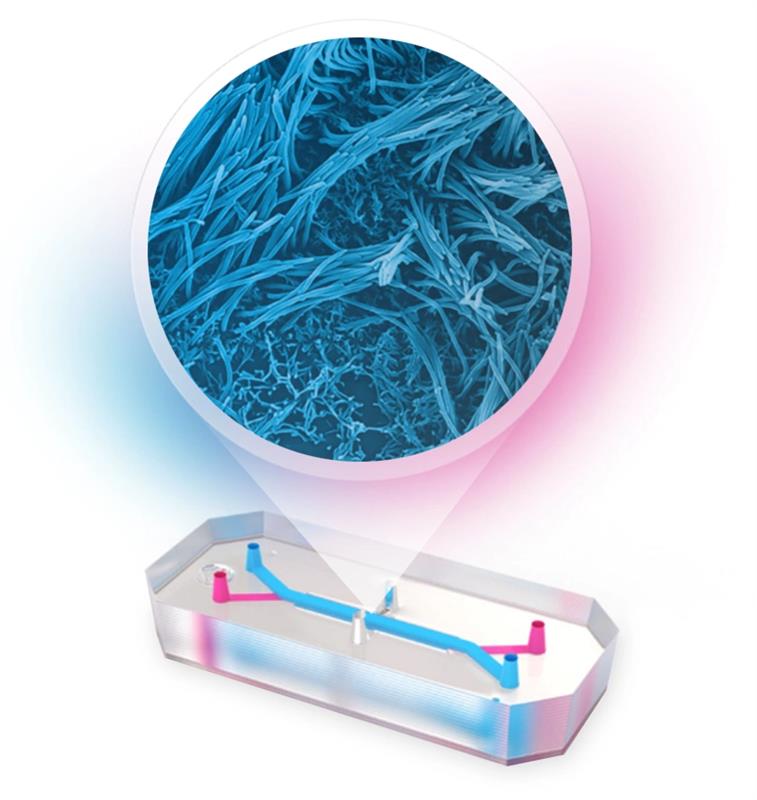
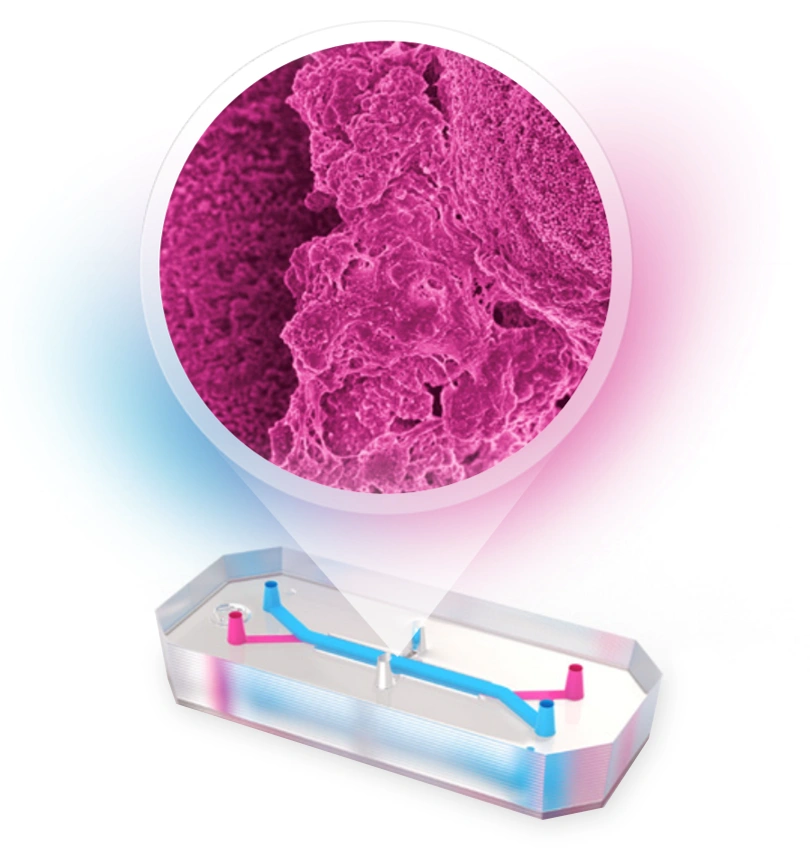
A recolored scanning electron microscopy image of human small intestine cells in the Duodenum Intestine-Chip, with a turqoise goblet cell in the middle, surrounded by other epithelial cells in pink.

Benefits icon

A human-based advanced cell model

By using primary human cells, the Duodenum Intestine-Chip more closely models human characteristics, overcoming the translational challenges of animal models caused by species differences and differences in gene expression.


Human-relevant transcriptomic profile

Gene expression in the Duodenum Intestine-Chip more closely resembles in vivo tissue than organoids alone with significantly enriched pathways associated with metabolism, digestion, nutrient transport, and detoxification.


Physiologically relevant ratios of major cell types

Major intestinal epithelial cell types—absorptive enterocytes, enteroendocrine cells, goblet cells, and Paneth cells—are present and functional on-chip in physiologically relevant ratios, with improved differentiation compared to organoids alone.


Improved intestinal barrier formation

The Duodenum Intestine-Chip forms a functional intestinal barrier with well-defined epithelial tight junctions and in vivo-like permeability, in contrast to poorly defined tight junctions seen in standard cell culture.


Physiologically relevant morphology and cytoarchitecture

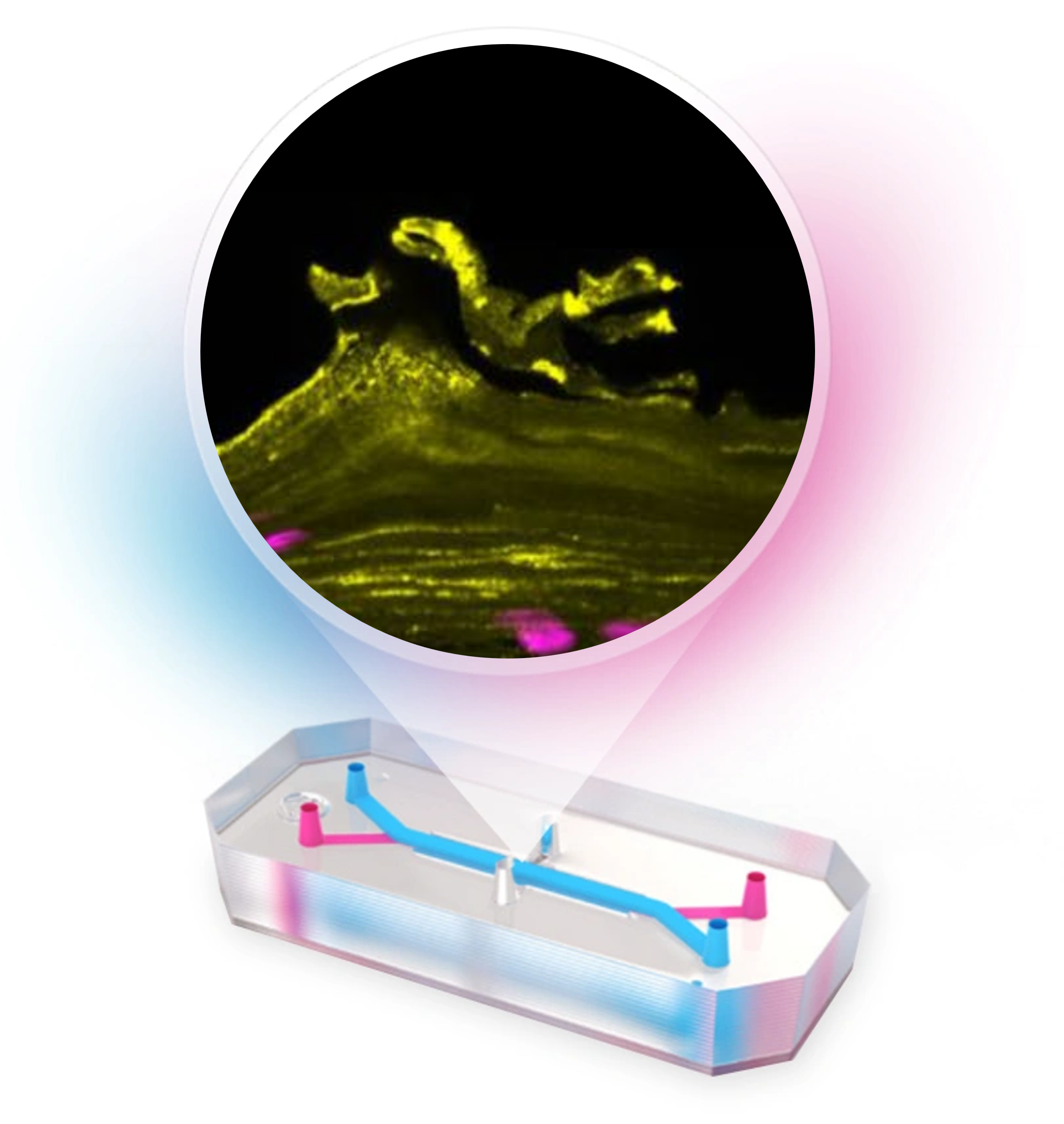
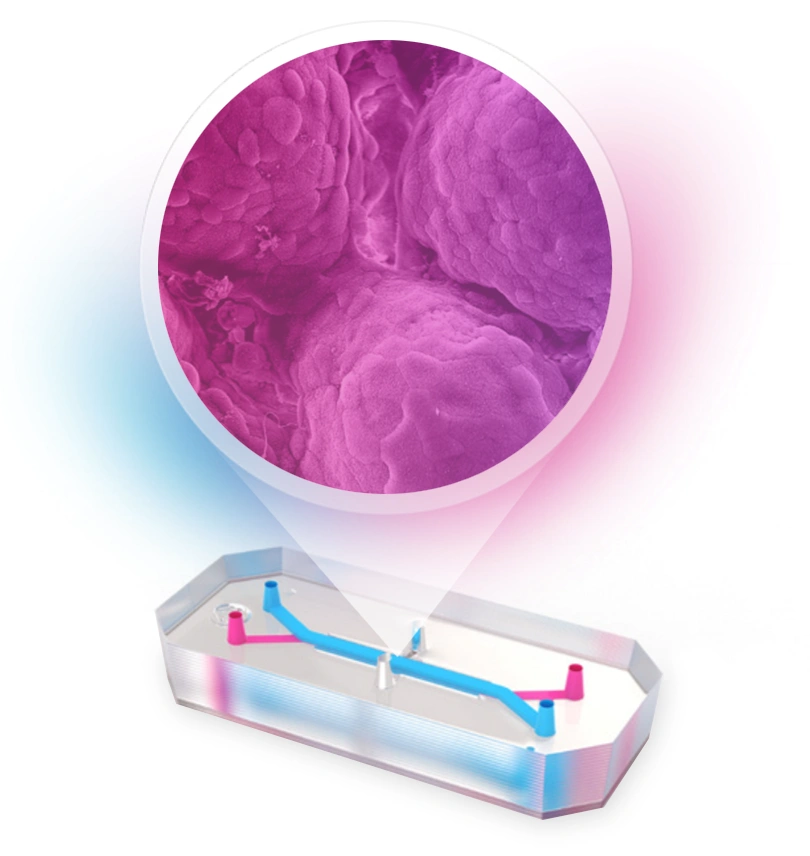
Unlike Caco-2 models, the Duodenum Intestine-Chip closely resembles in vivo duodenal epithelium cytoarchitecture, including well-polarized and cobblestone-like morphology, villi-like structures, and a well-developed continuous brush border with densely packed microvilli.

Related Product

SciMed (Asia) Pte Ltd | A Member of PHC Group
Privacy Overview

This website uses cookies so that we can provide you with the best user experience possible. Cookie information is stored in your browser and performs functions such as recognising you when you return to our website and helping our team to understand which sections of the website you find most interesting and useful.