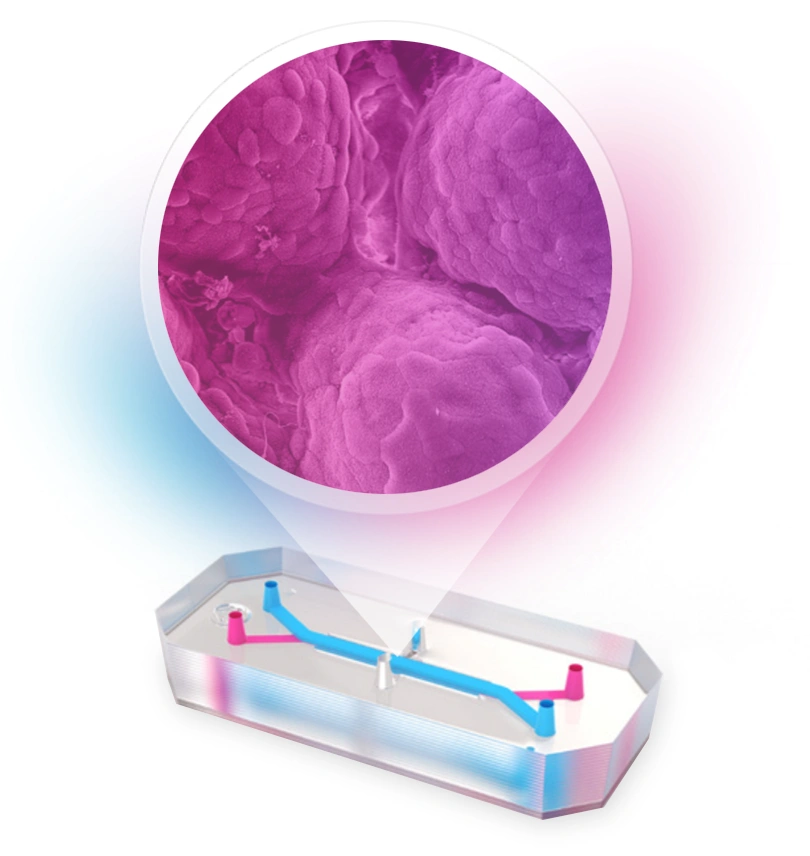
A comprehensive colonic barrier model
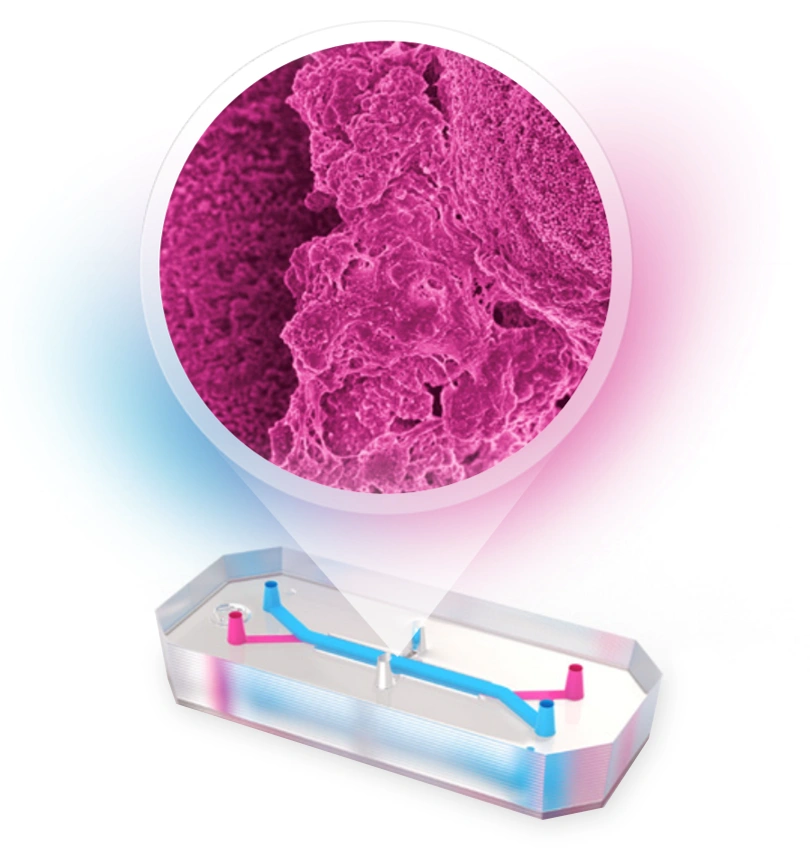
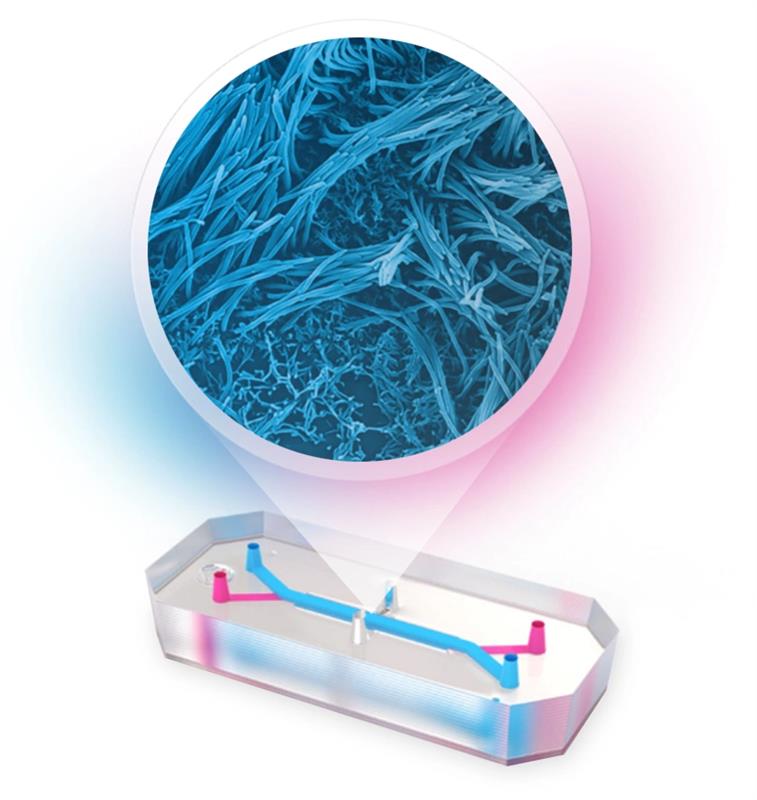
Mechanical forces on the Colon Intestine-Chip provide a more in vivo-relevant environment. Under dynamic conditions, cells differentiate into characteristic populations and structures, creating the intestinal barrier and forming microvilli. This is in contrast with conventional cell culture with limited and largely undifferentiated cell populations and a lack of physical stimuli.
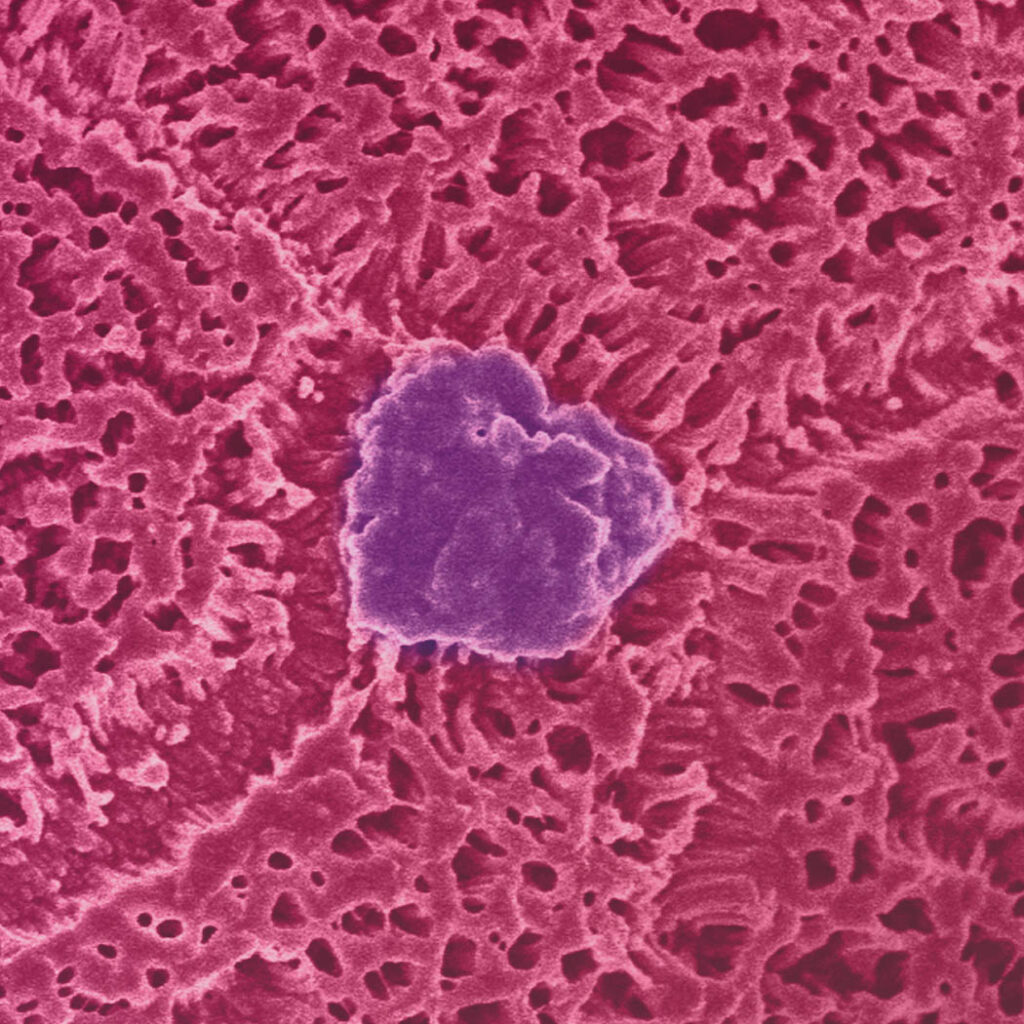

Human-based advanced cell model
Through the combination of biopsy-derived colonoids and colonic endothelial cells, the Colon Intestine-Chip supports more human-like responses, overcoming species differences in animal models that impede human translation.

In vivo-like transcriptome profile
The transcriptome profile of the Colon Intestine-Chip better resembles human colon tissue compared to organoids, with significant enrichment of gene pathways for epithelial cell differentiation, metabolism, and ion transportation.

Physiologically relevant morphology
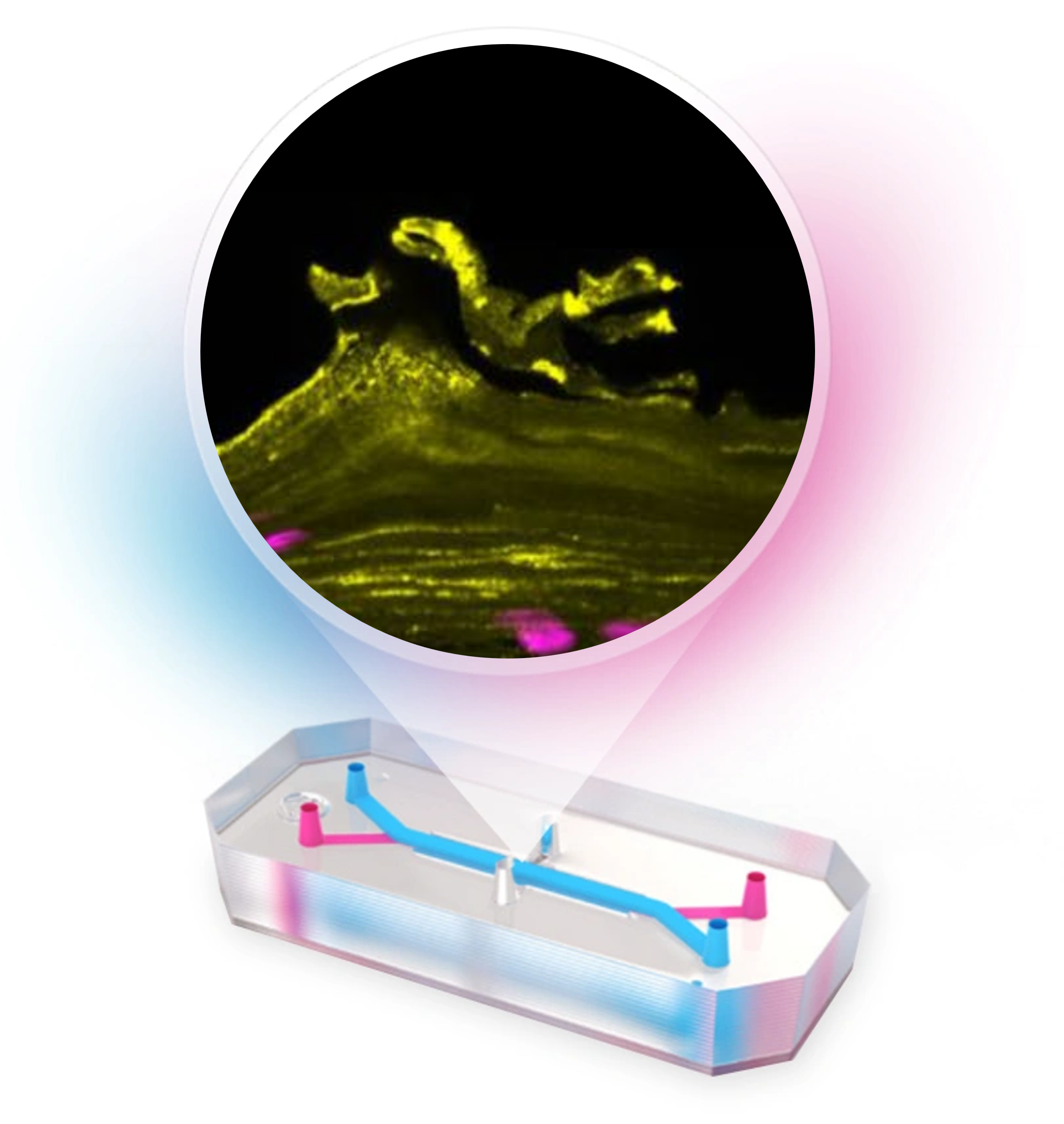
Mechanical forces of the Colon Intestine-Chip produce increased epithelial polarization and differentiation similar to adult human colon tissue, unlike organoids alone which lack key characteristics of a mature phenotype.

Contains diverse range of epithelial cells
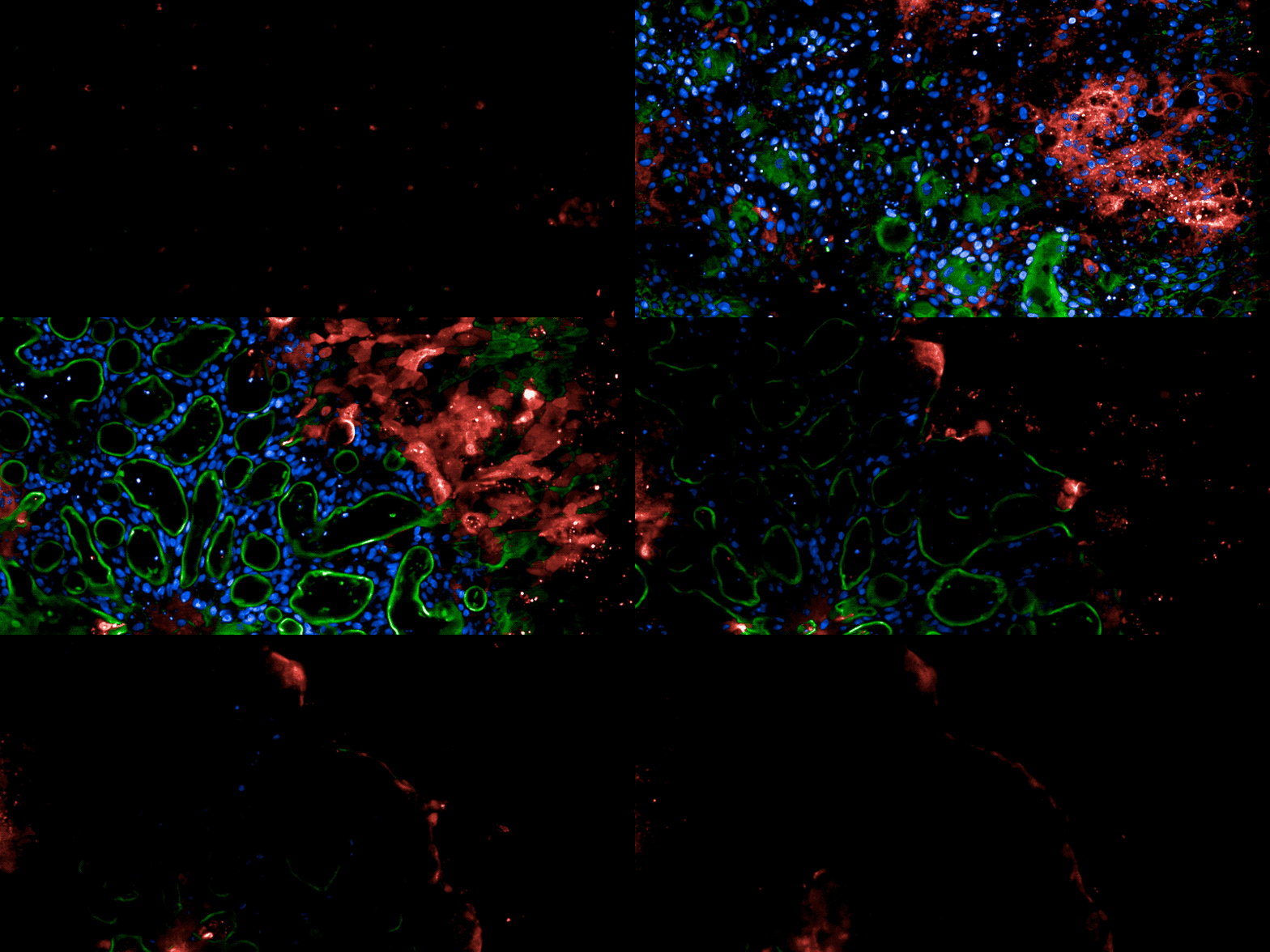
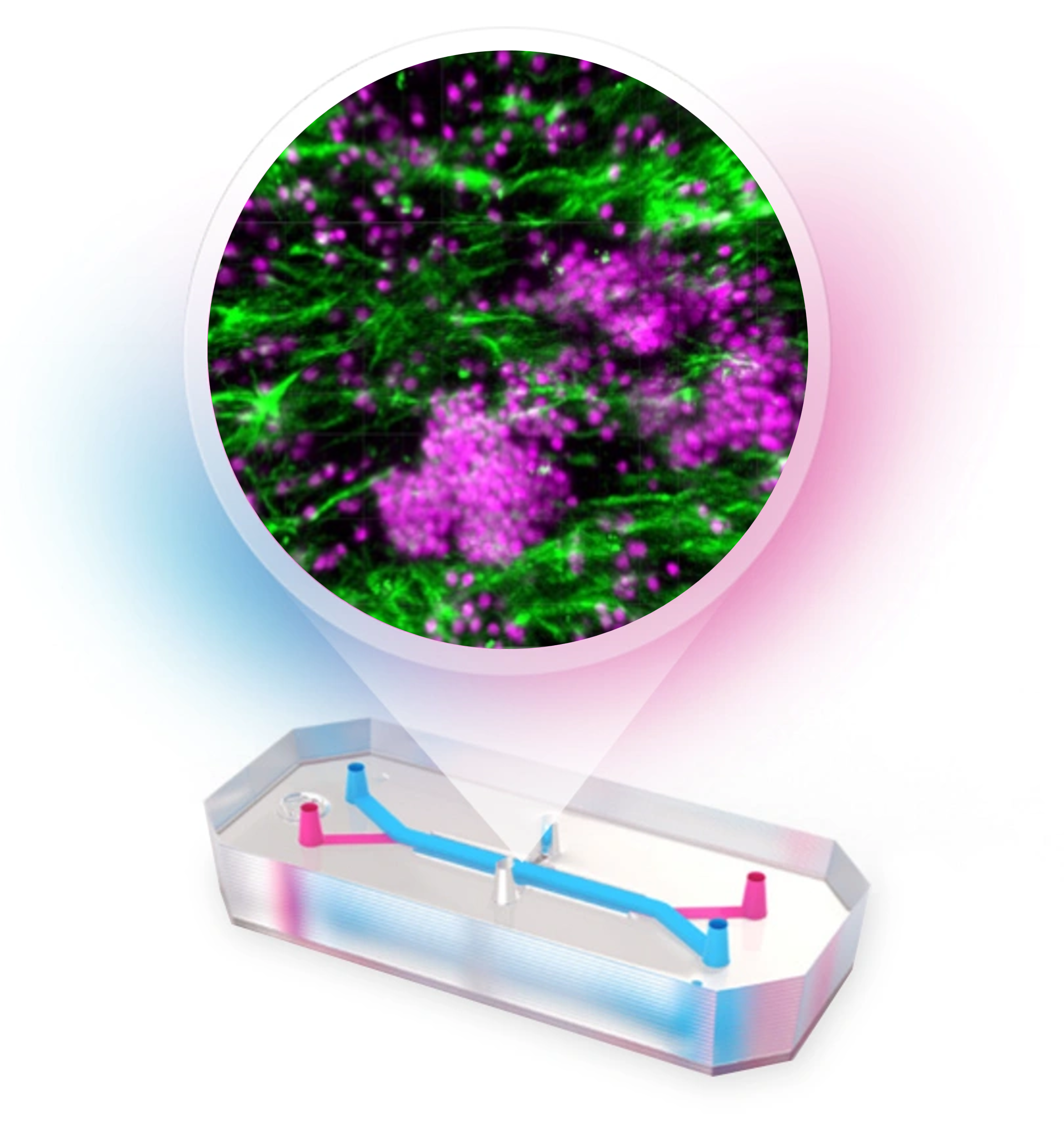
Cellular heterogeneity representative of in vivo physiology is captured with the Colon Intestine-Chip due to the organoid cell source, with improved differentiation and maturation in the chip compared to organoids in suspension.

Relevant barrier function
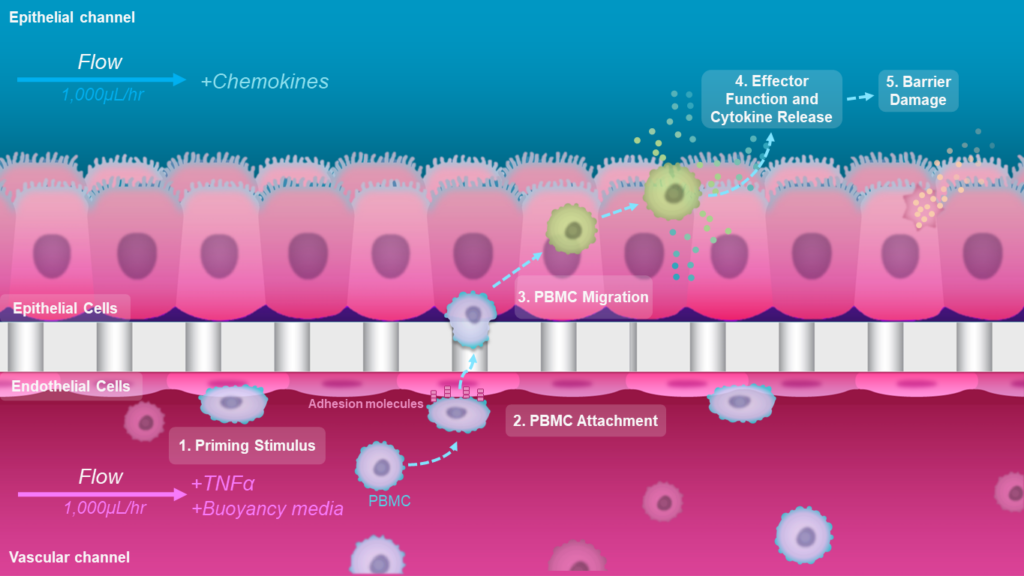
The Colon Intestine-Chip has a functional barrier with well-defined tight junctions and low permeability. Traditional in vitro models lack relevant barrier function needed for studies beyond routine drug absorption.