RESEARCH CHALLENGE
Drug-induced liver injury remains a primary cause of drug candidate attrition and withdrawal from the market
Current preclinical models inadequately predict hepatotoxicity and DILI in humans. Poor clinical translation arises from species differences present in animal models and the limited in vivo-relevant physiology of conventional liver cell culture. This not only leads to high preclinical and clinical attrition, but it can also pose serious health risks to patients.
Liver-Chip Benefits
A more predictive in vitro model of human hepatotoxicity
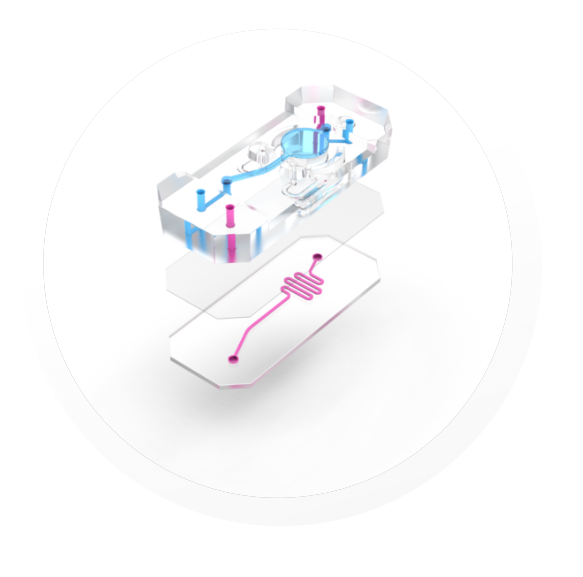
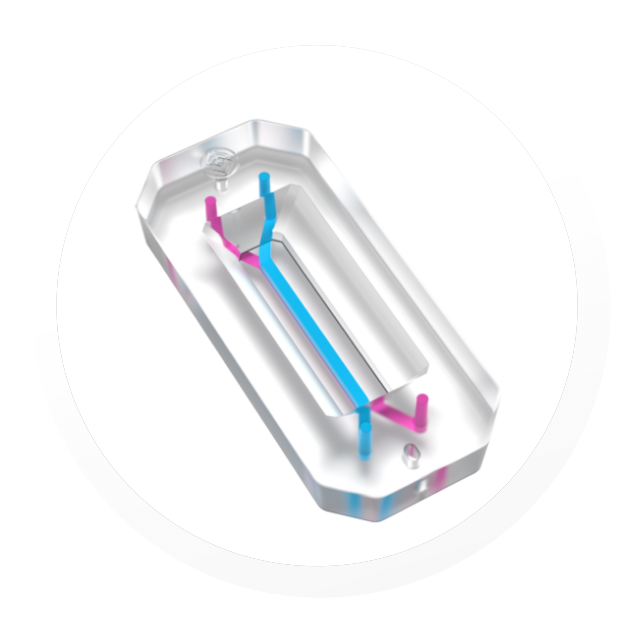
In a landmark study in Communications Medicine, part of Nature Portfolio, researchers demonstrated that the Emulate human Liver-Chip could improve patient safety and reduce small-molecule clinical trial failures due to liver toxicity by up to 87%, with 100% specificity. The Emulate human Liver-Chip enables researchers to assess diverse mechanisms of toxicity with greater fidelity than animal testing or conventional cell culture, lowering the risk of DILI and clinical trial attrition for drug candidates.
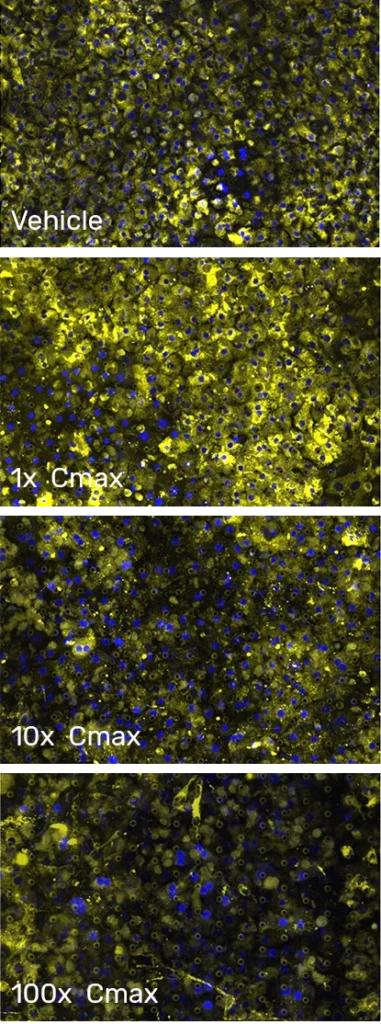
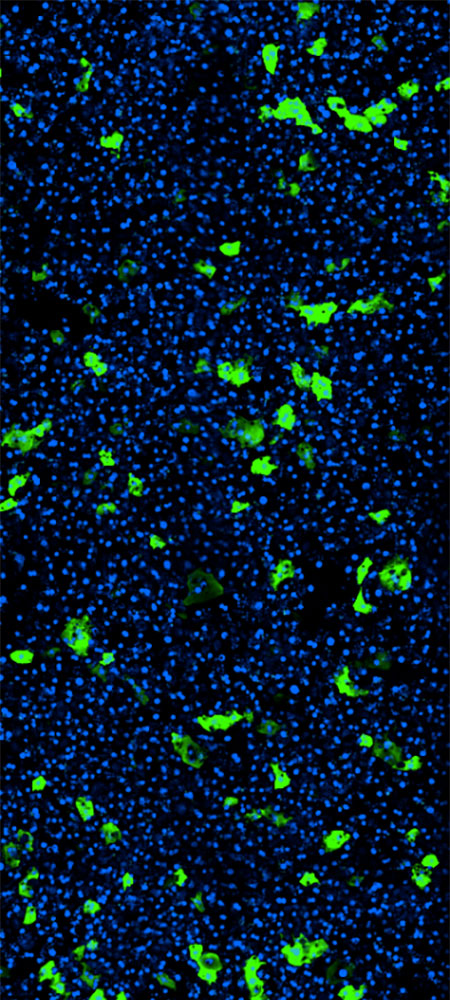
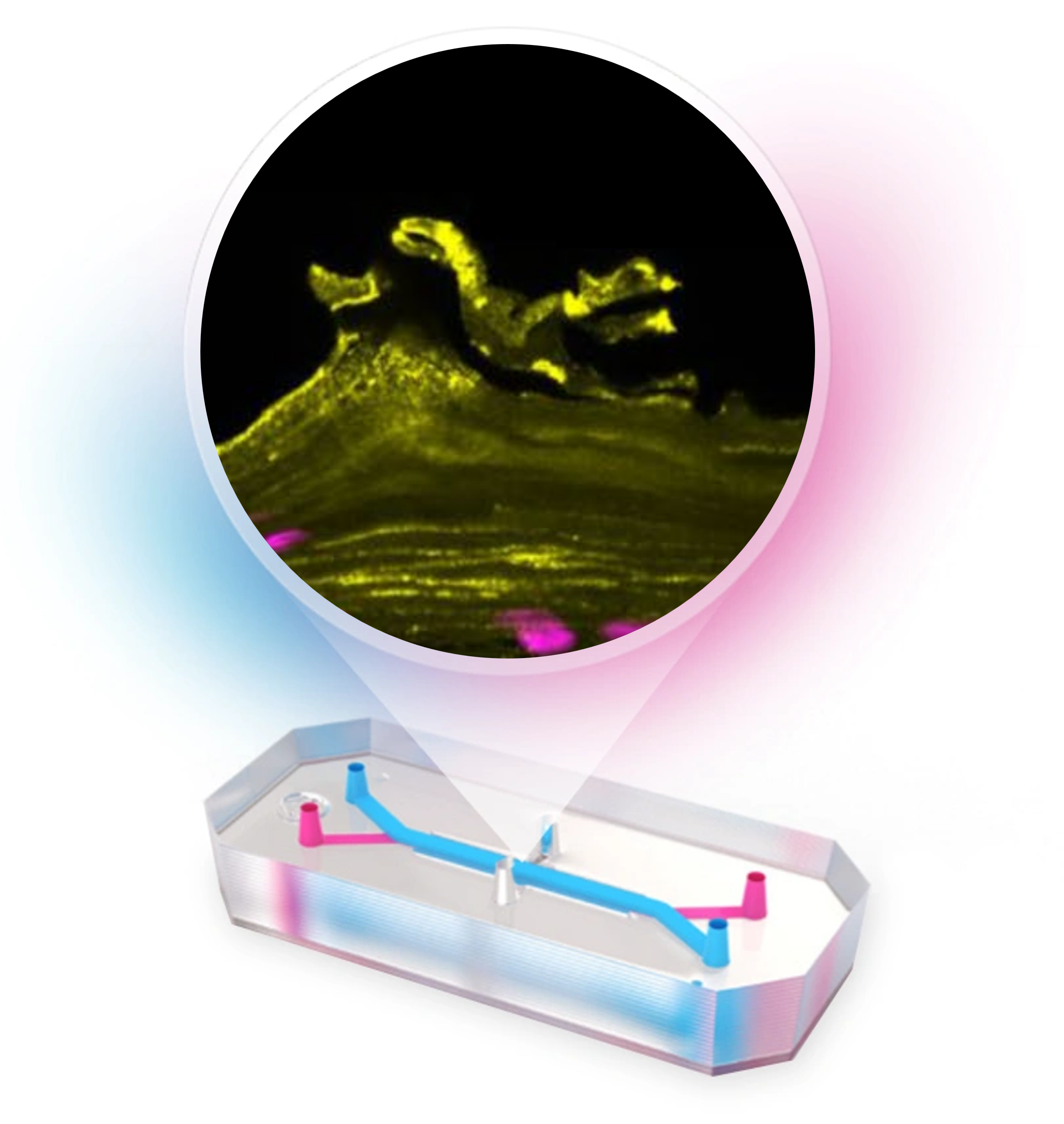
Concentration-dependent decrease in mitochondria (yellow) in response to treatment with sitaxsentan at 0, 1, 10, and 100 times the unbound human Cmax for 7 days in the Emulate Liver-Chip S1.