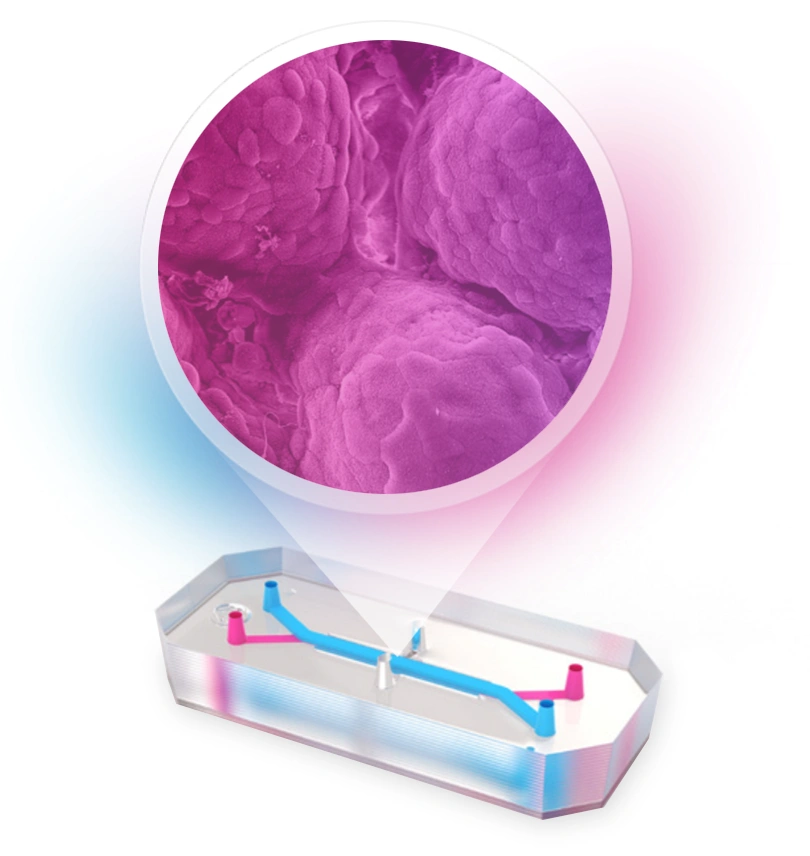
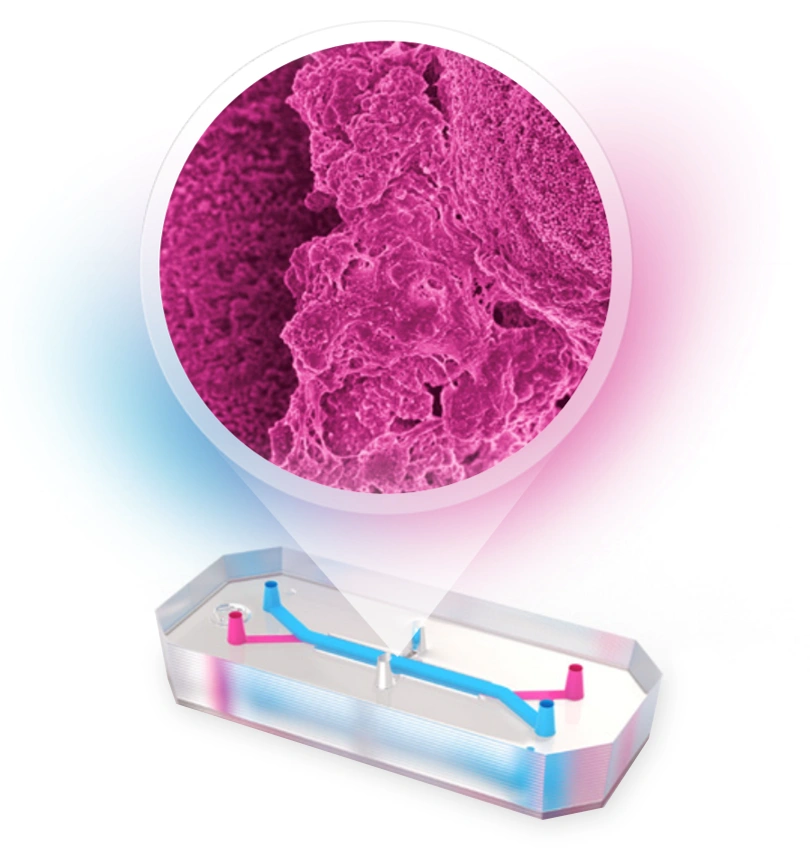
Chip-A1™ Accessible Chip
Model complex 3D tissues with the ability to directly apply topical or aerosolized drugs.

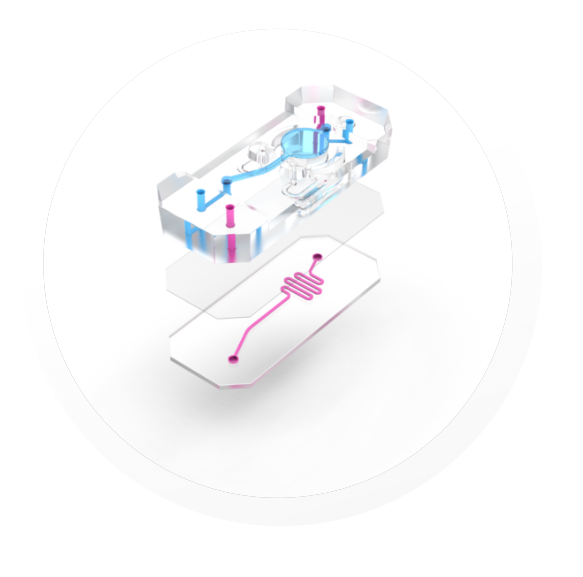

Model complex 3D tissues with the ability to directly apply topical or aerosolized drugs.
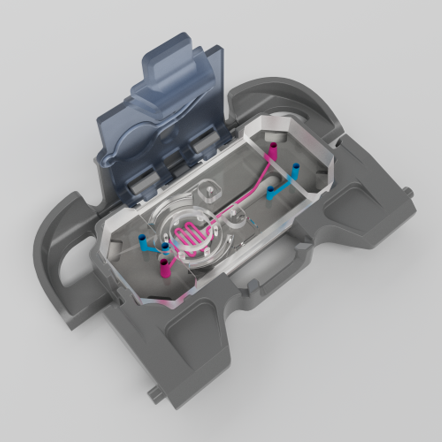
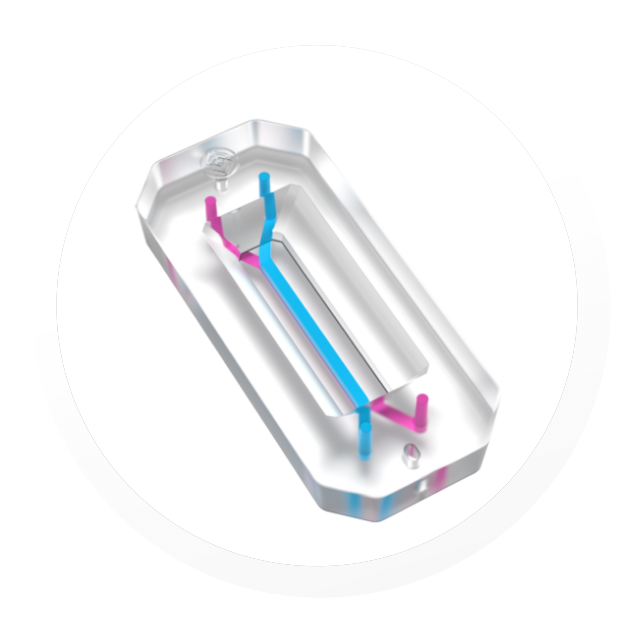
Chip-A1 features an accessible culture chamber that enables users to create thick gel-based models for a wide variety of applications, including tumor microenvironments, skin, and lung models.

The accessible culture chamber enables users to create gels up to 3 mm thick, making it ideal for integrating stroma and creating stratified epithelia, such as tumor microenvironments or skin models.

The hinged lid provides users direct access to the culture chamber for topical or aerosolized drug application.

The serpentine design of the bottom channel maintains the ability to create tissue-vascular or air-liquid interfaces.

Chip-A1 is fully compatible with the Human Emulation System, which automates the culture conditions, including fluid flow in both channels and cyclic stretch.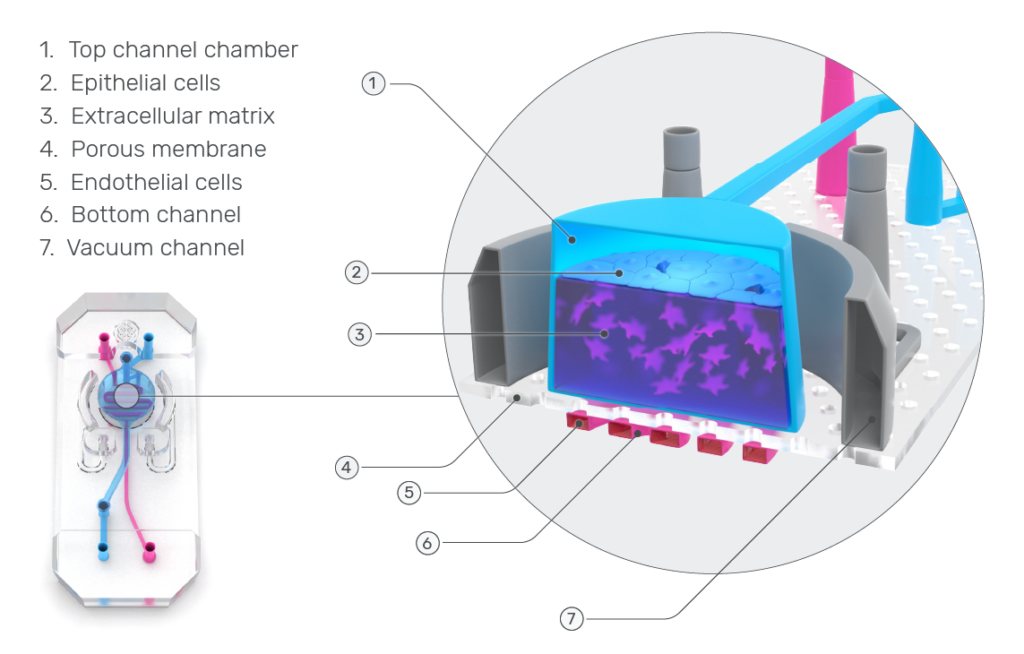
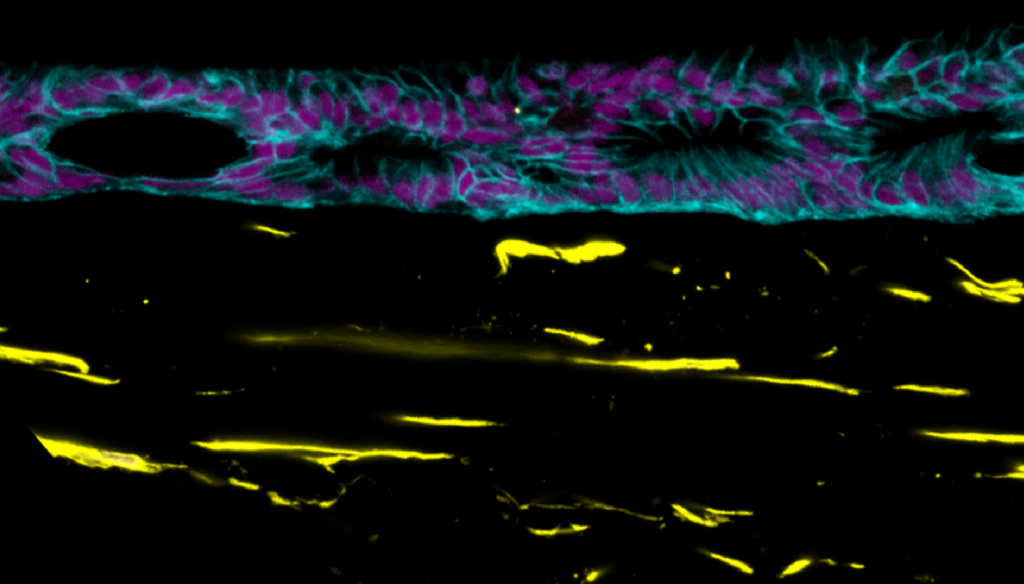
Understanding Mechanisms of Esophageal Cancer Progression
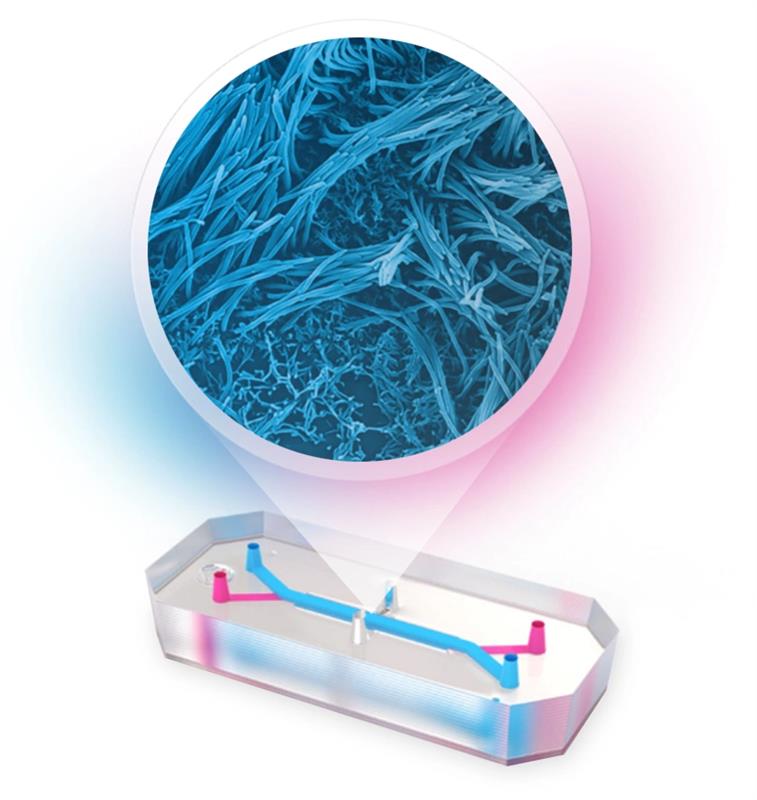
In their online article titled “Epithelial-Stromal Interactions in Barrett’s Esophagus Modeled in Human Organ Chips,” researchers from the Wyss Institute using a prototype of Chip-A1 found that the chip offered a new platform for studying epithelial-stromal interactions and broader underlying mechanisms associated with esophageal cancer progression. The team also reported that this model could potentially serve as a tool for personalized drug-response assessments between different patients or genetic subpopulations.
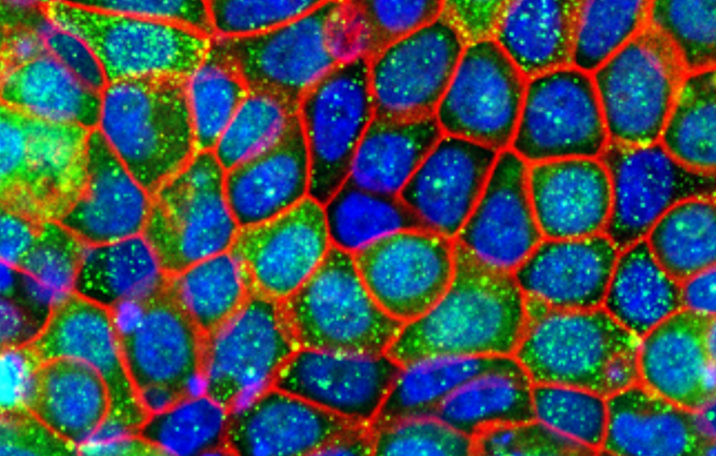
Improving the Functionality of In Vitro Alveolus Models
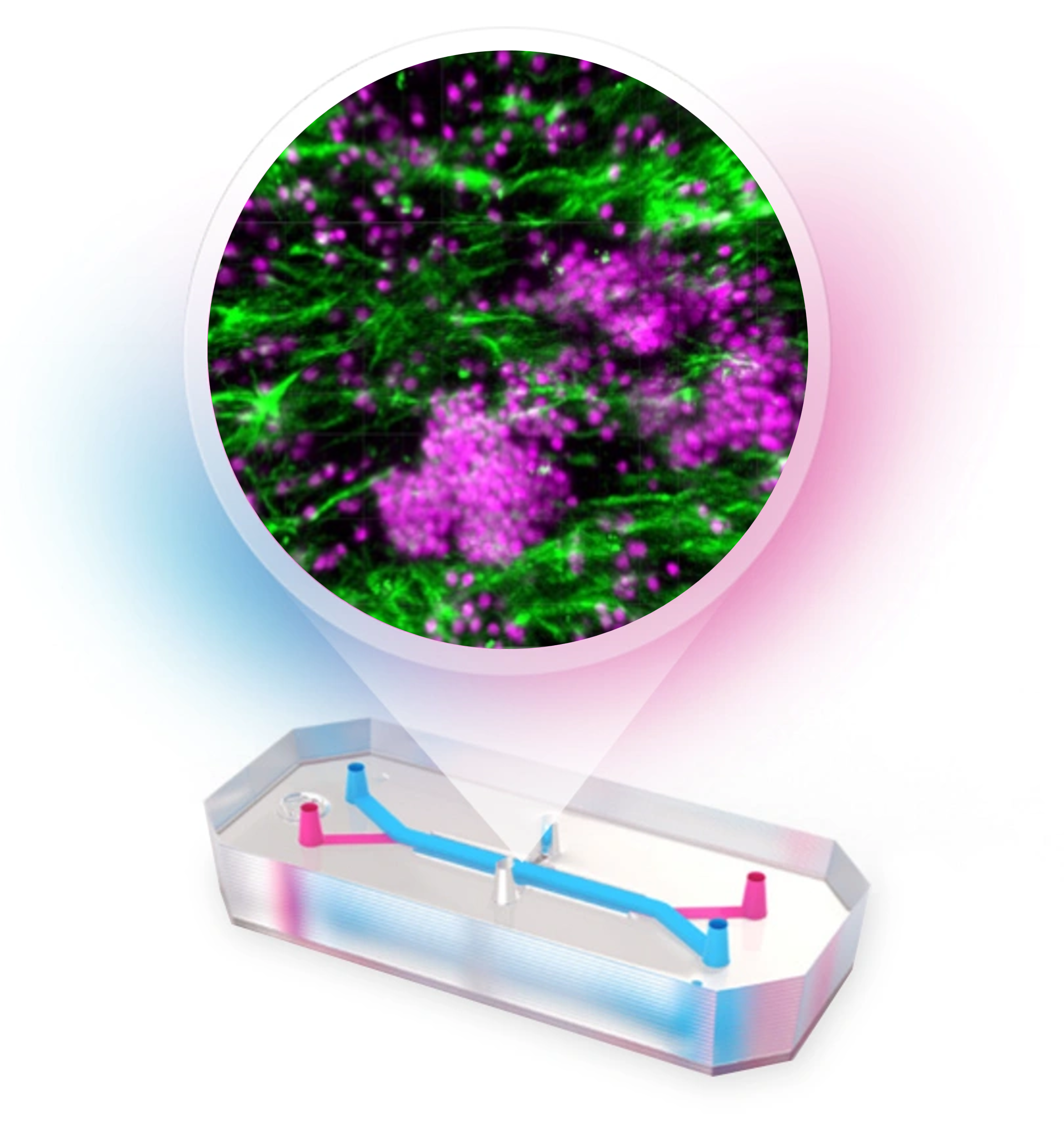
A prototype of Chip-A1 was used to create an Alveolus Lung-Chip consisting of an epithelial layer, a fibroblast-embedded gel, and a vascular channel. When cultured under an air-liquid interface with the application of cyclic stretch, this model demonstrated superior functionality over static culture as measured by tissue-specific markers, surfactant C, and LPS-mediated inflammatory response.

Creating a Multi-Stratified Skin Epithelium
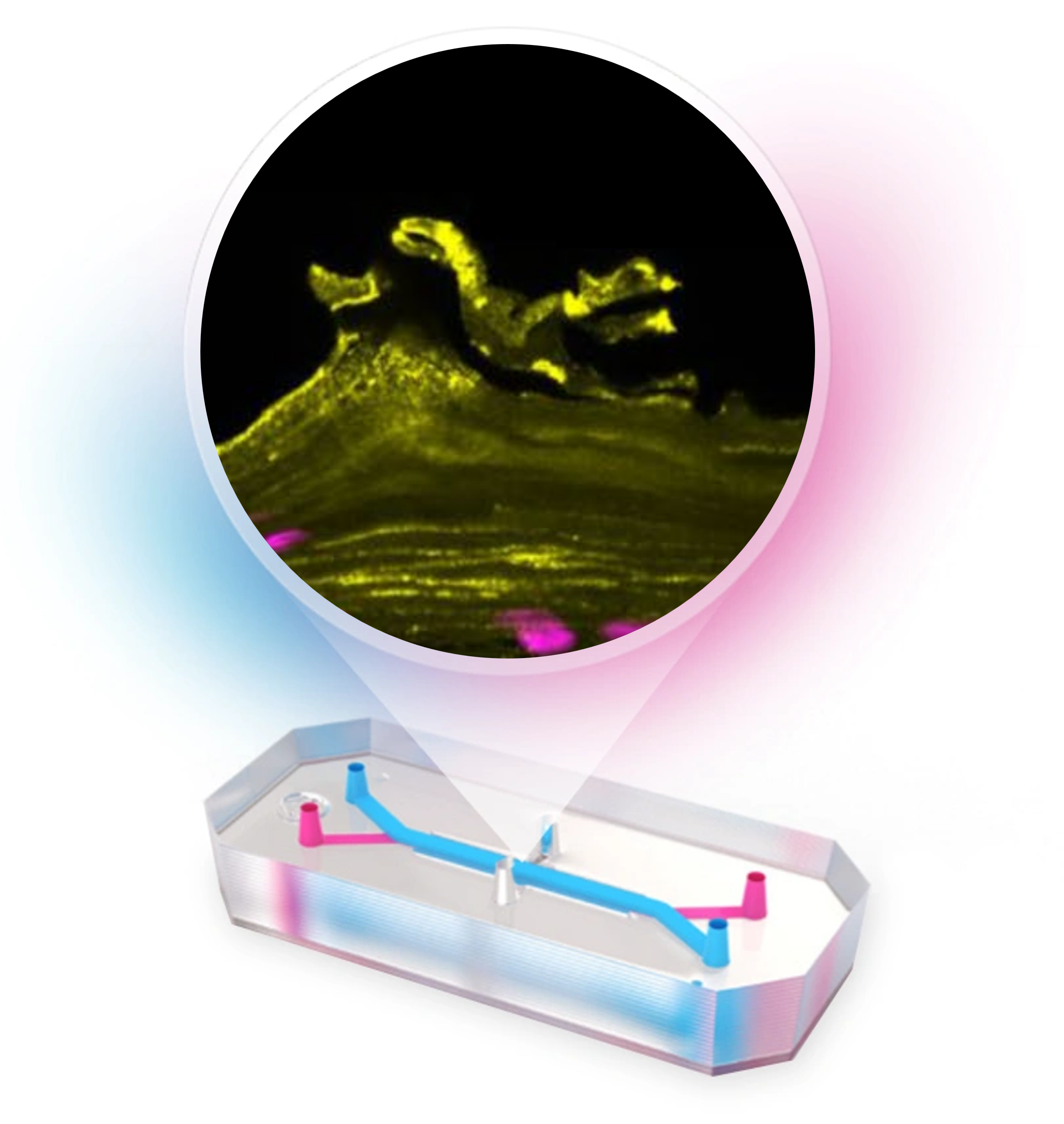
A Chip-A1 prototype was also used to create a Skin-Chip model consisting of keratinocytes seeded on a fibroblast-embedded hydrogel coated with collagen IV. The assembled chip was then cultured under an air-liquid interface for 15 days, which resulted in differentiation into a multi-stratified epithelium. The Skin-Chip displayed characteristics consistent with a stratified epidermis, containing cuboidal basal cells, squamous suprabasal keratinocytes, and a superficial stratum corneum.
See Data Sheet
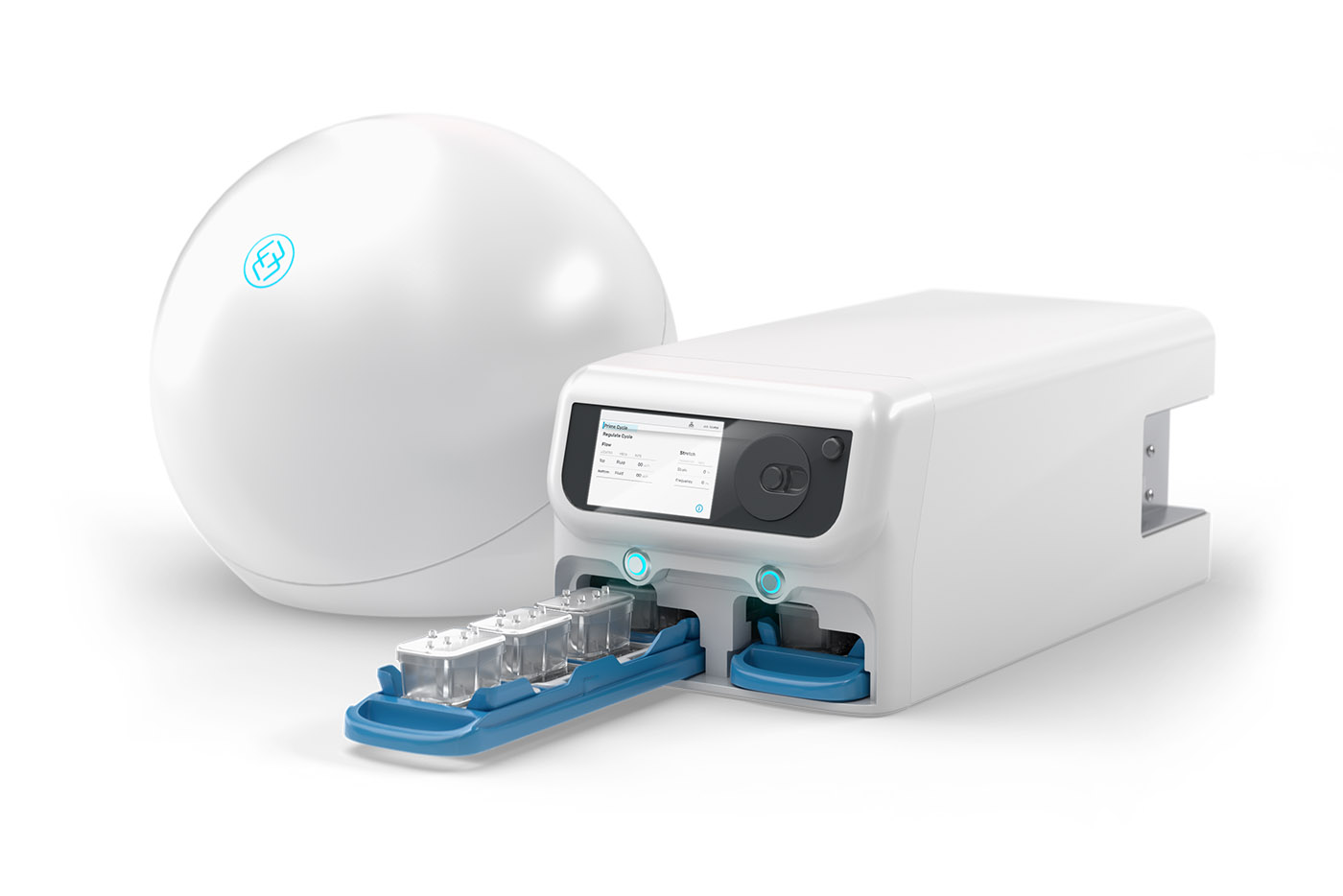
The Human Emulation System is comprised of instruments, consumables, and software in a flexible, open format. The user-friendly platform gives researchers a window into the inner workings of human biology.
With the Emulate Chip-A1 Basic Research Kit, users can harness the power of Organ-on-a-Chip technology to build a wide variety of Organ-Chip models in the Human Emulation System.