Chip-S1® Stretchable Chip
The pioneering Organ-Chip design that started a revolution in human-relevant in vitro modeling



The pioneering Organ-Chip design that started a revolution in human-relevant in vitro modeling
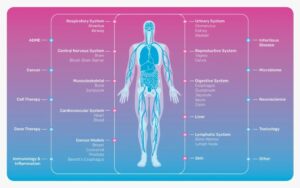
BioKit Models are Organ-Chip models that Emulate has internally developed and validated and are available to purchase as BioKits. BioKits include pre-qualified cells, Organ-Chip consumables, and validated protocols, with guarantees on characterization and functionality.

Investigate mechanisms of colon inflammation and immune cell recruitment to discover novel and targeted anti-inflammatory drug candidates in a human-relevant, Organ-on-a-Chip model. Learn More

Study drug absorption and drug-drug interactions in a primary organoid-based model of the human small intestine. Learn More

Evaluate drug candidate toxicity at clinically relevant concentrations in a co-culture human kidney model. Learn More

A new gold standard for assessing human-relevant liver toxicity. Learn More
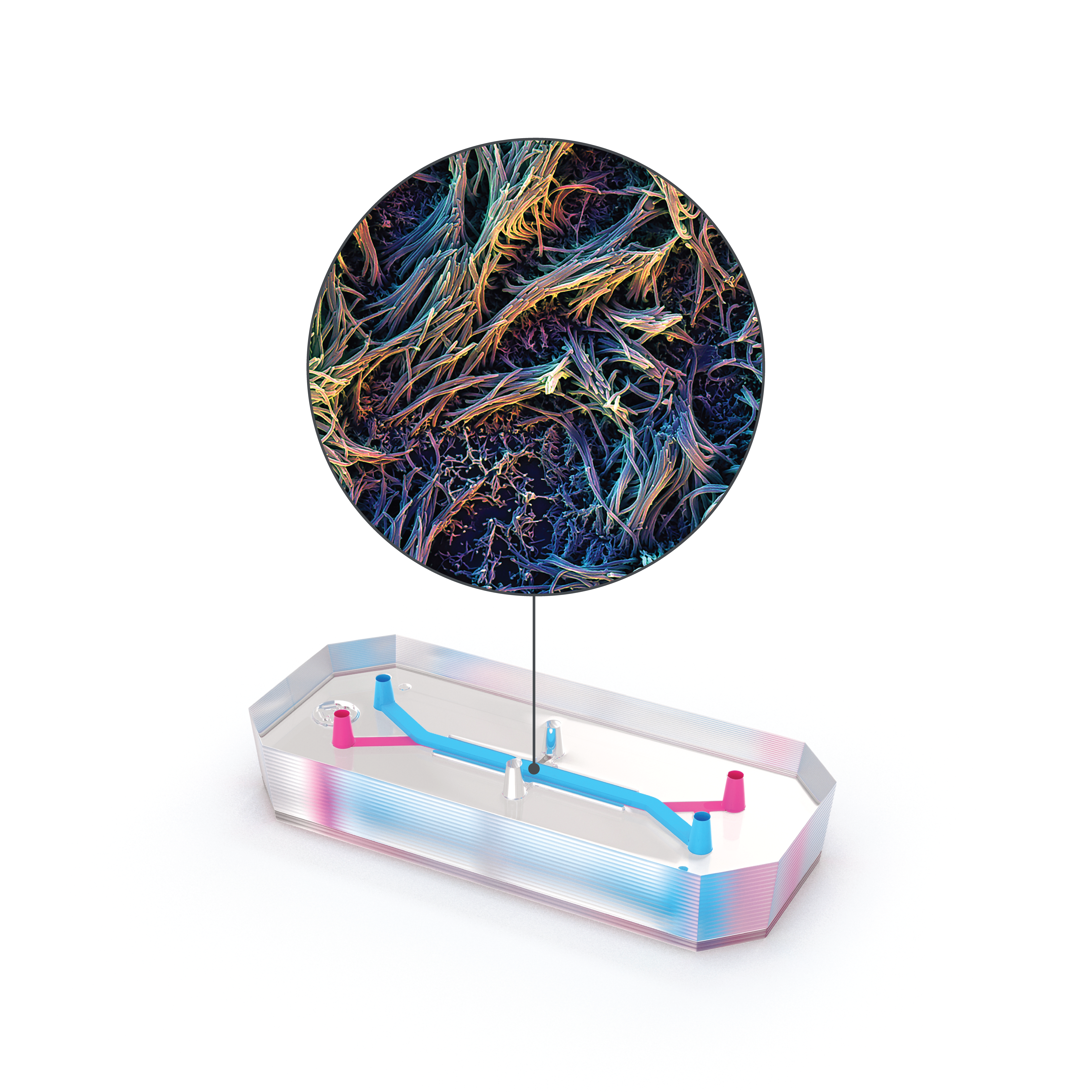
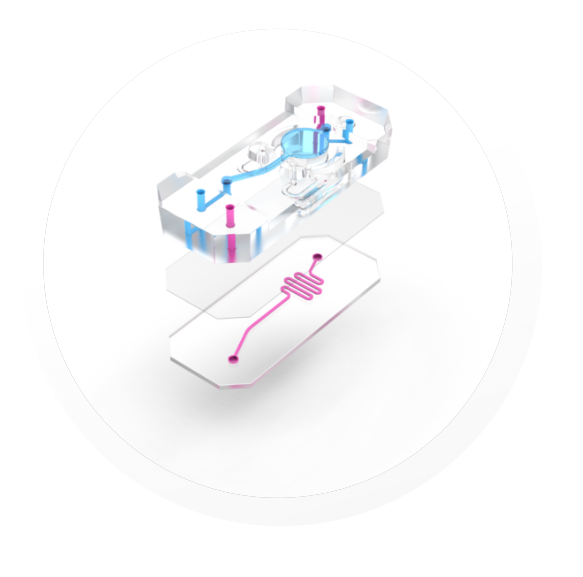
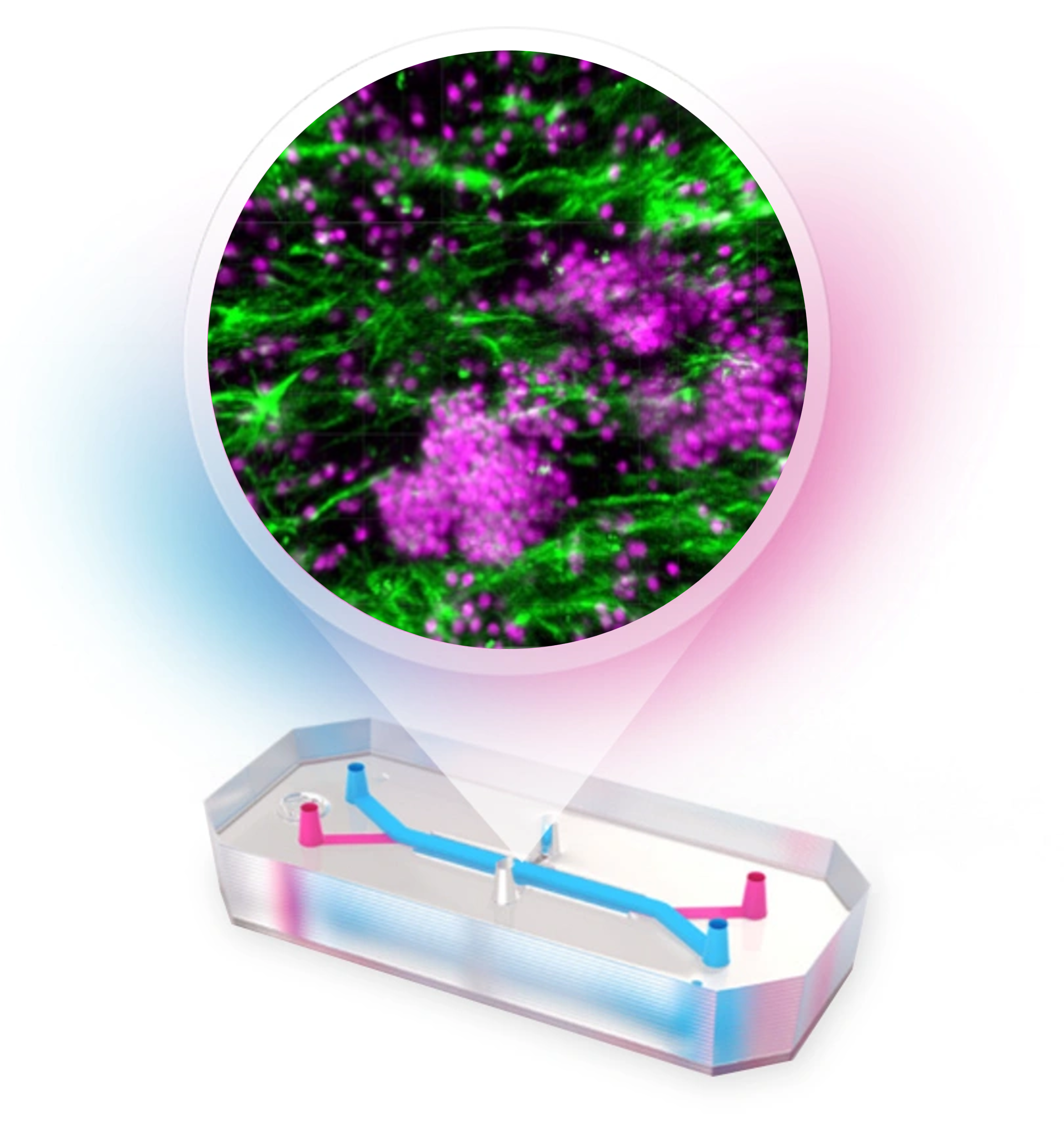
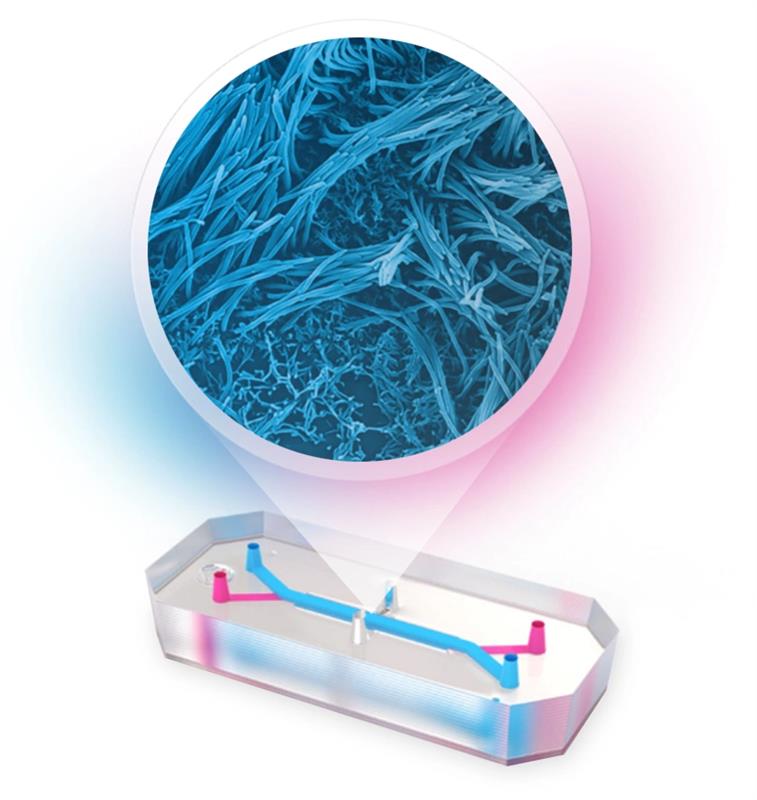
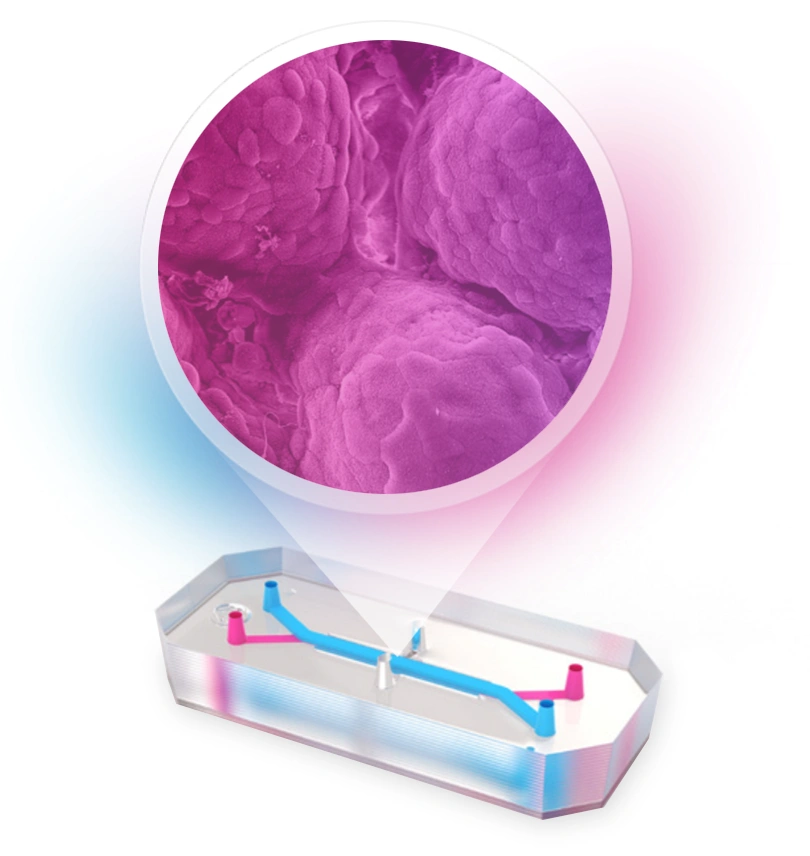
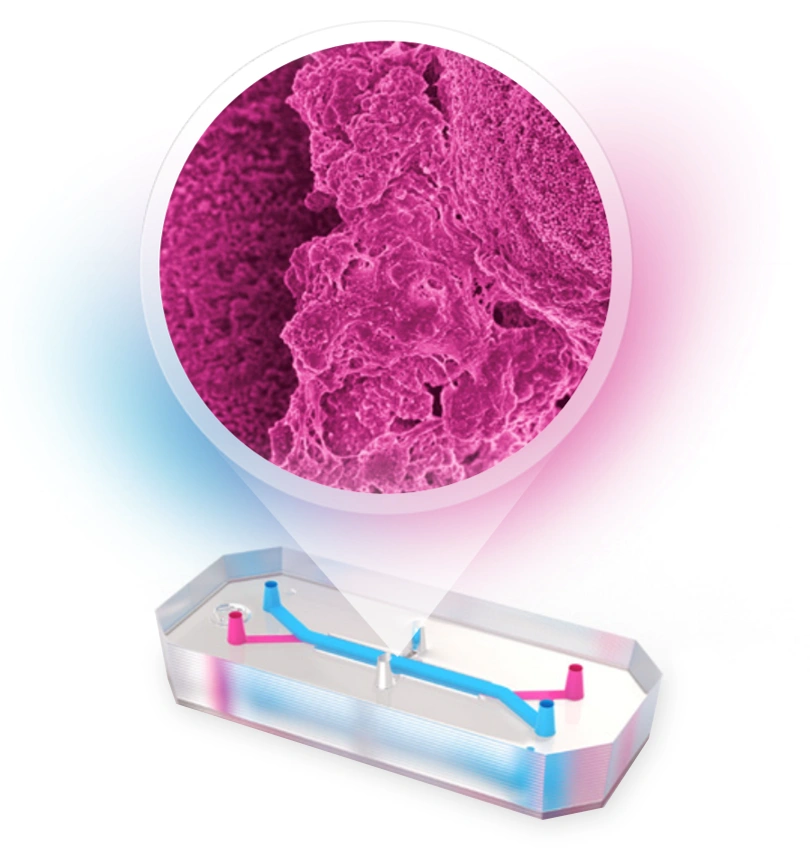
Chip-S1 enables researchers to recreate the natural physiology and mechanical forces cells experience within the human body, such as blood flow and peristalsis.

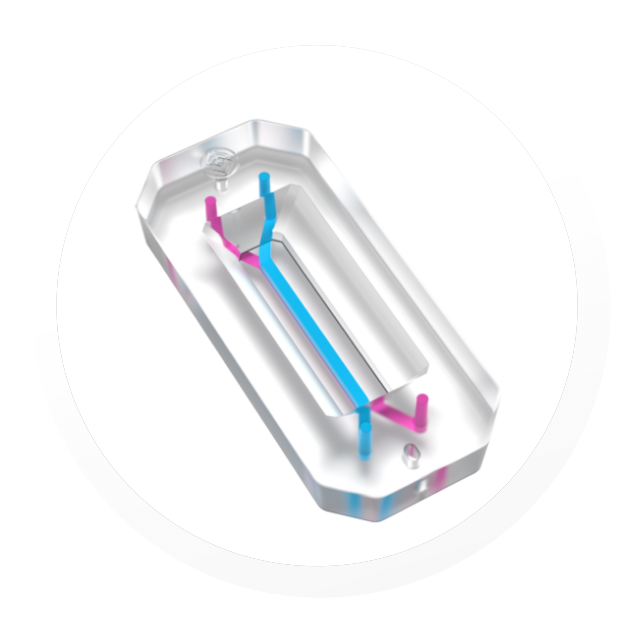
Separate cell compartments enable seeding and media delivery for two different tissue types, while the porous membrane permits compartment crosstalk and cell migration.

Fluid flow through the channels creates shear stress that drives cell maturation and improves functionality.

Tunable cyclic stretch recreates dynamic biomechanical functions, such as breathing and peristalsis.

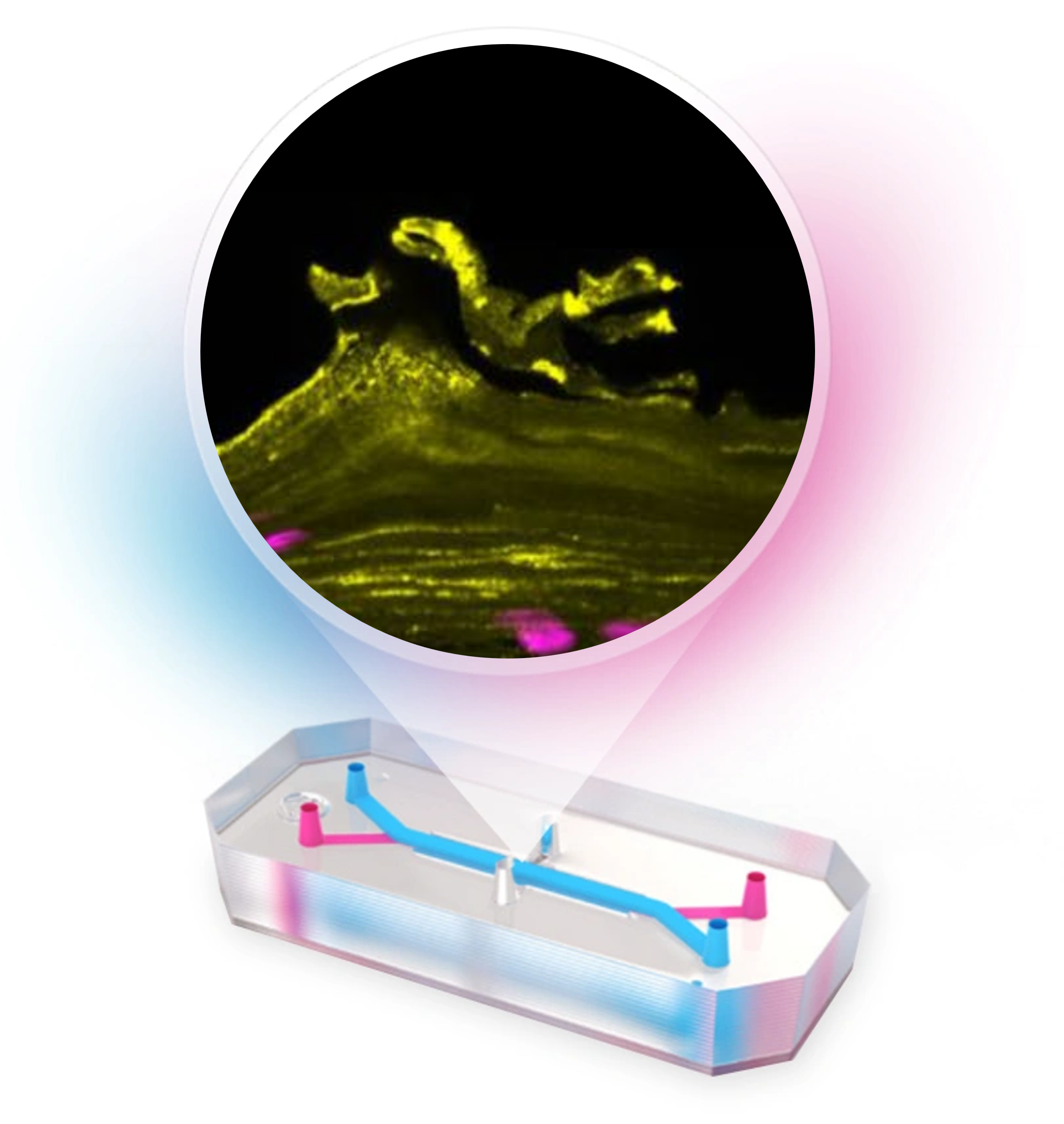
With independent control of flow in both channels, users can easily create an air-liquid interface for models such as lung or skin.
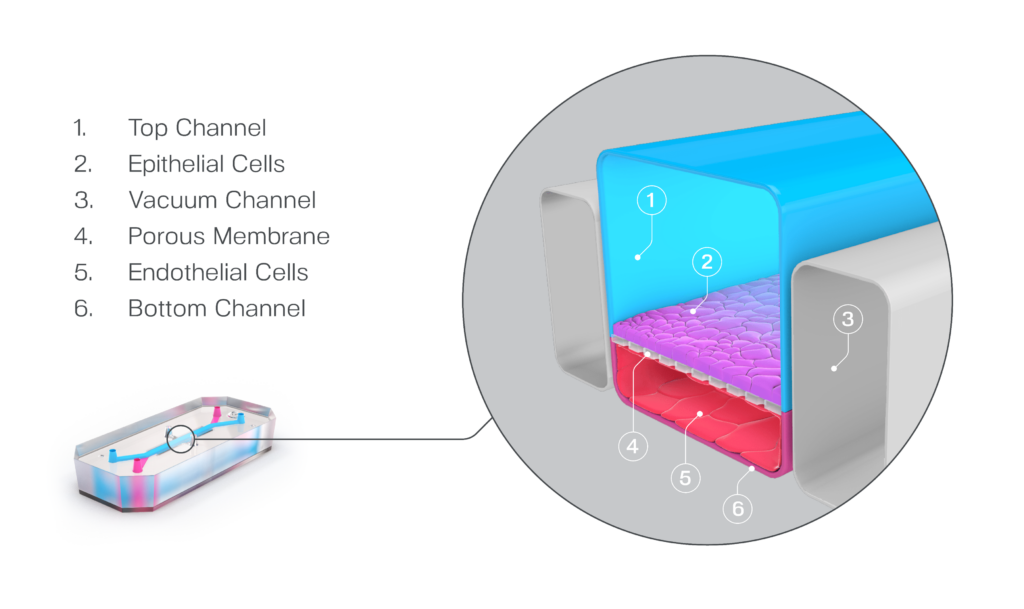
Learn how Chip-S1 enables users to model epithelial-endothelial interfaces with appropriate biomechanical forces such as fluid flow and stretch.
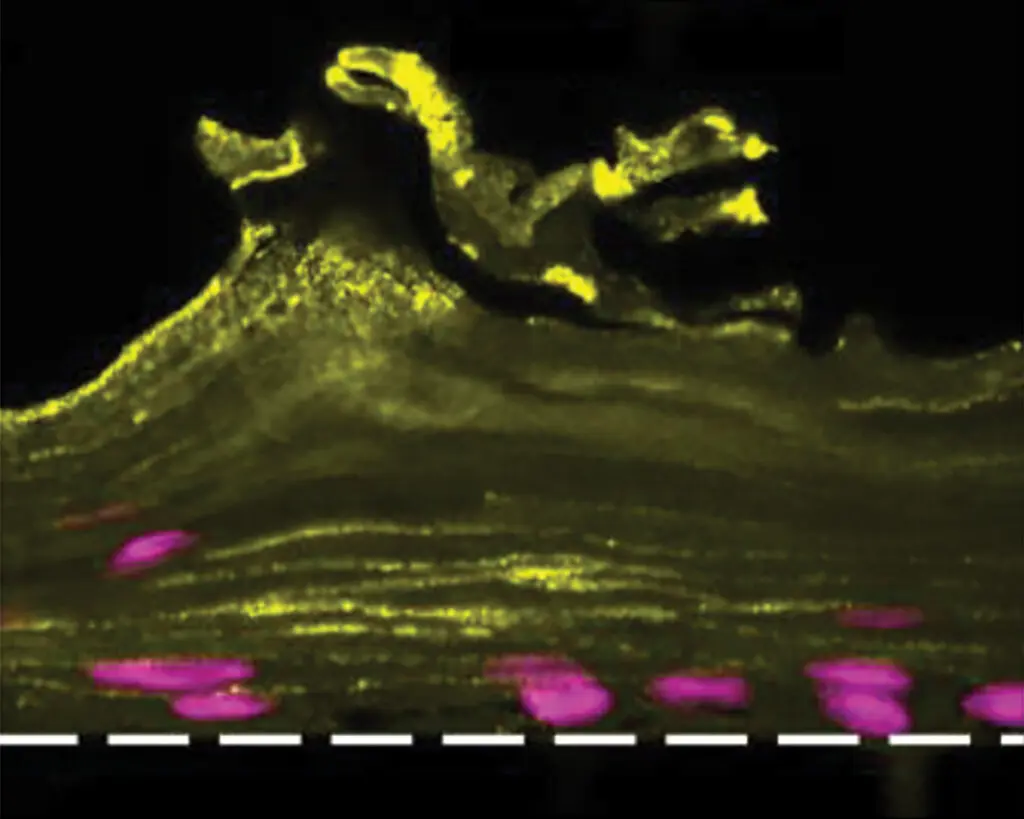
Bacterial vaginosis (BV) is difficult to study under static cell culture conditions due to overgrowth of bacteria. By maintaining media flow, Organ-Chips enable the co-culture of epithelial cells and bacteria without leading to bacterial overgrowth. Additionally, the two-channel configuration enables the creation of an epithelial-stromal interface to enhance tissue maturation. Learn how researchers created a Vagina-Chip model that has the potential to be used as a preclinical tool in the validation of vaginal therapeutics for conditions such as BV.
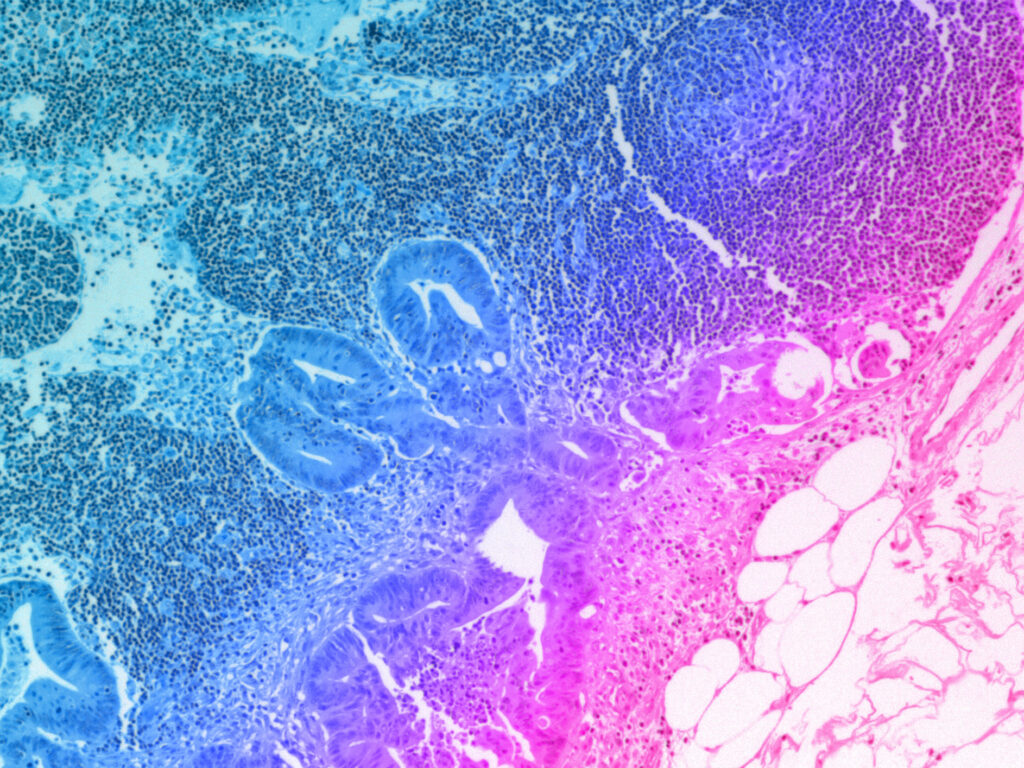
From discovery to licensure, vaccine development costs billions of dollars and has an average 94% chance of failure. Organ-Chips can help reduce this failure rate by enabling researchers to create a human-based model that incorporates peripheral immune cells, thus avoiding species translation issues. Additionally, researchers demonstrated that a Lymphoid Follicle-Chip can capture donor variability in antibody response to vaccination.
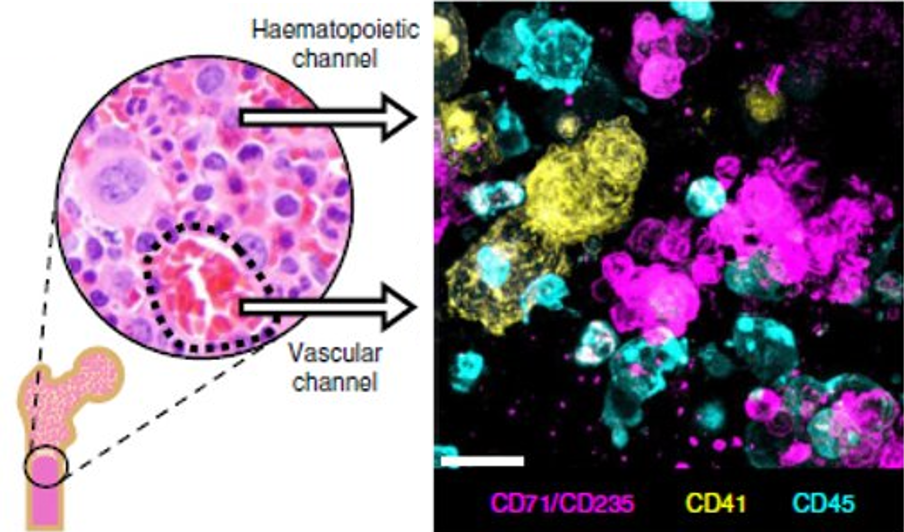
The inaccessibility of living bone marrow makes it difficult to study its pathophysiology and responses to stressors such as drugs, radiation, or genetic mutations. Organ-Chips provide researchers a window into this living niche environment. Researchers who used the Chip-S1 to create a Bone Marrow-Chip found that vascularization of the bone marrow tissue supported the differentiation and maturation of multiple blood cell lineages over 4 weeks while improving CD34+ cell maintenance for improved recapitulation of bone marrow injury.
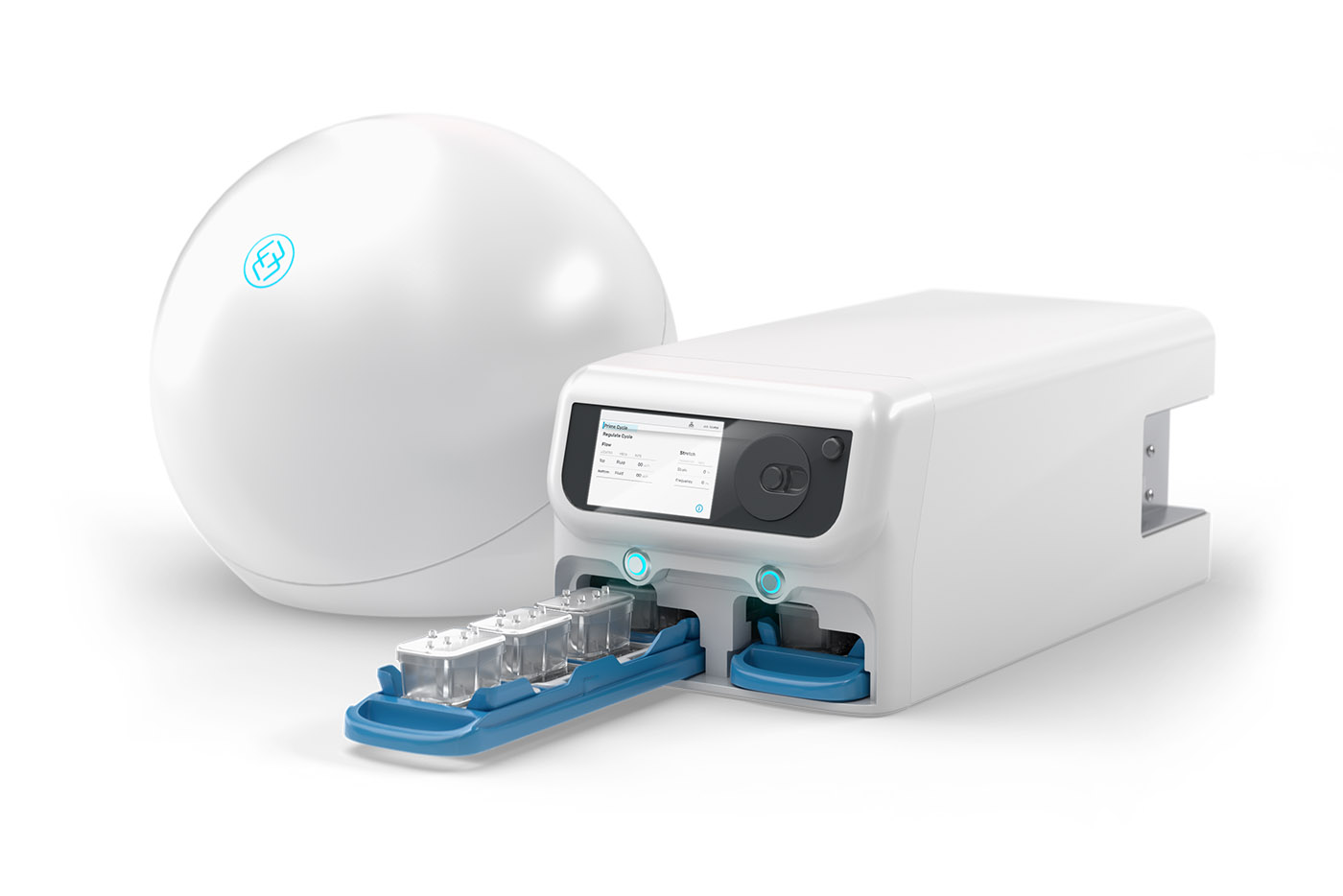
The Human Emulation System is comprised of instruments, consumables, and software in a flexible, open format. The user-friendly platform gives researchers a window into the inner workings of human biology.
Explore the myriad ways Chip-S1 has been used by the Emulate Community to develop novel models.