Chip-R1™ Rigid Chip
Improve precision in ADME and toxicology applications with a low-drug-absorption profile


Improve precision in ADME and toxicology applications with a low-drug-absorption profile
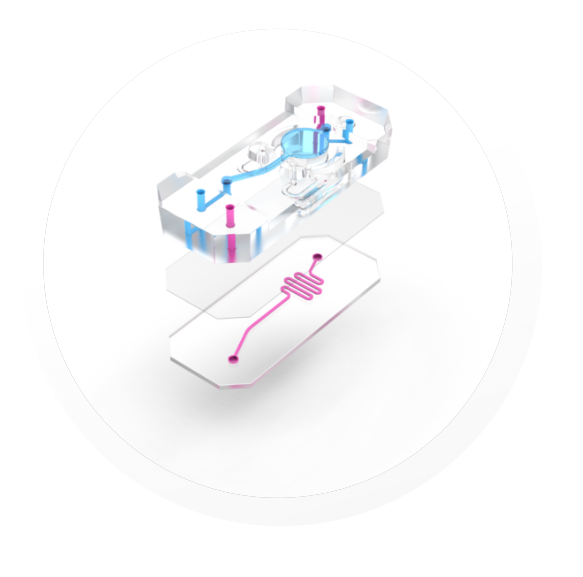
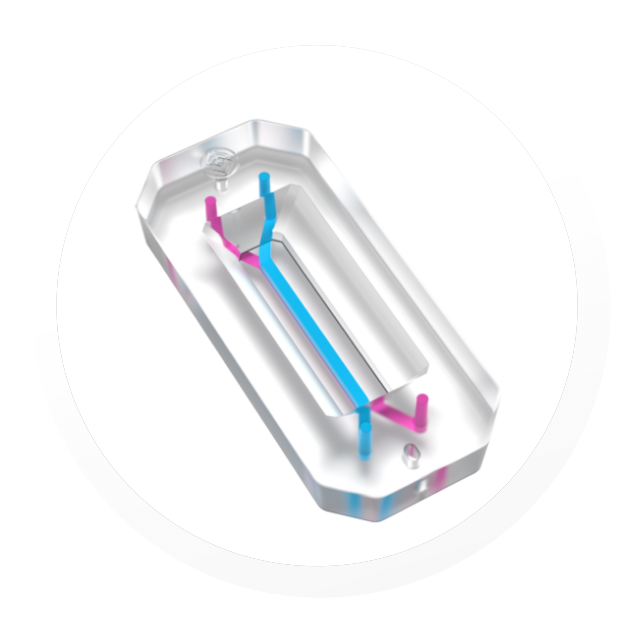
The Chip-R1 Rigid Chip is constructed with minimally drug-absorbing plastics, making it well suited for ADME and toxicology applications.
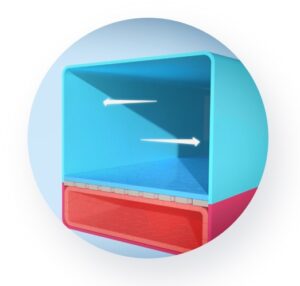

The minimally drug absorptive properties of Chip-R1’s rigid plastic make it better suited for ADME and toxicology applications, where being able to accurately calculate drug recovery is critical.

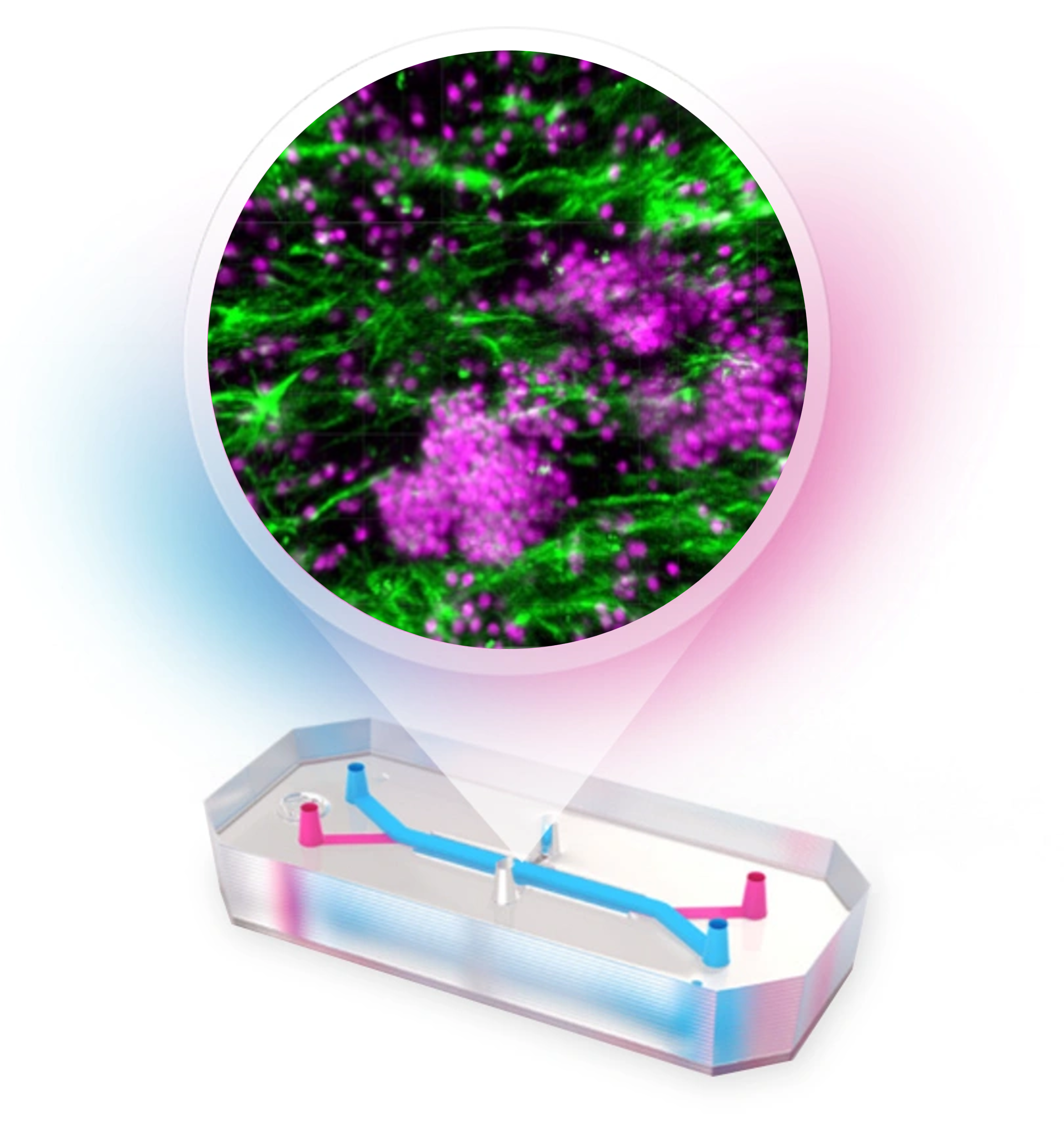
With up to 2.3 dyn/cm2 of shear stress, Chip-R1 increases physiological relevance for applications such as immune cell recruitment.

Chip-R1 features a pre-activated membrane, which streamlines the user workflow and saves time.

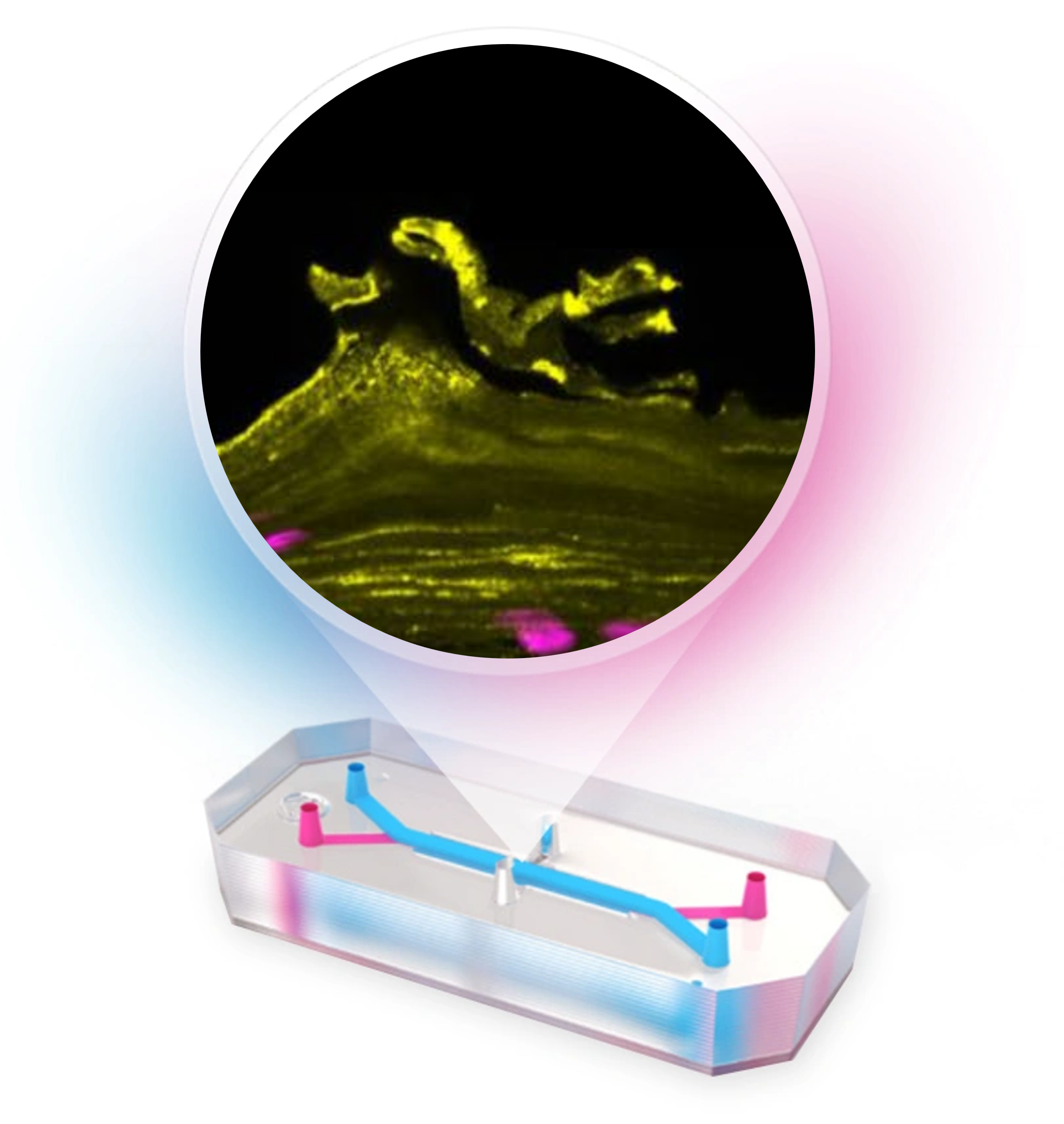
Imaging workflows are easier due to the significantly shorter working distance required to reach the epithelial channel.
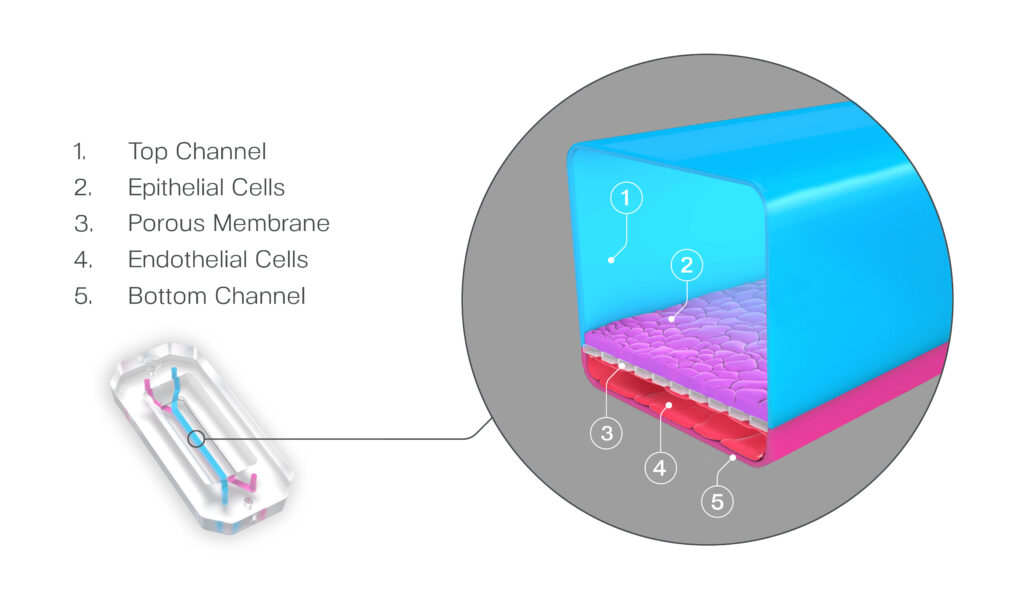

Absorption Profile of Hepatic-Relevant Compounds
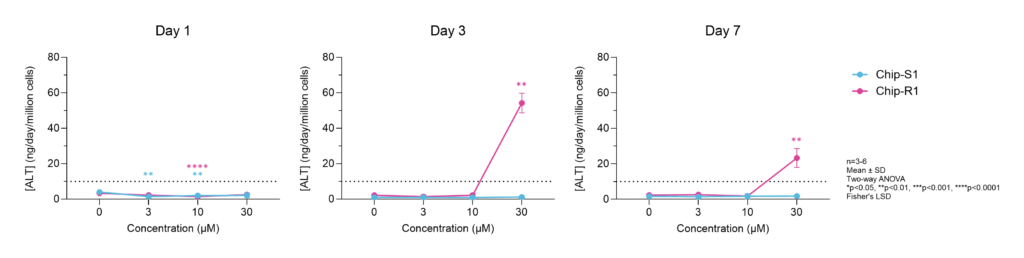
Chip-R1 demonstrates a low-drug-absorbing profile for a panel of eight compounds with a range of physiochemical properties. Three of those compounds, including Nefazodone, are highly lipophilic compounds known to have high PDMS absorption liability. The Emulate Liver Quad Culture model on Chip-R1 was used to profile Nefazodone response in comparison to Chip-S1. Chip-R1 was able to detect a DILI response to Nefazodone that was absent on Chip-S1.
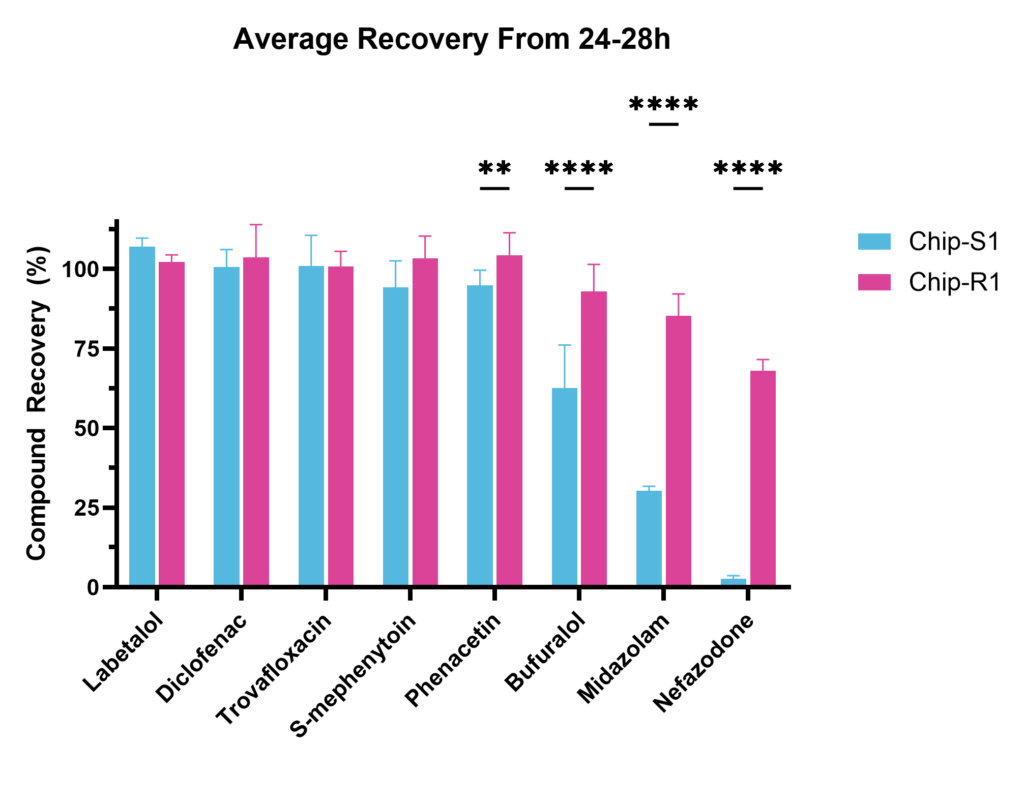
Average Compound Recovery Between 24–28 Hours of Flow.
Recovery refers to ratio of outlet to inlet concentration of concerned compound. Data shown as mean ± SD. Significance in recovery determined by two-way ANOVA with Fisher’s LSD multiple comparison test. n=3–4 chips per condition, with values for top and bottom channels averaged per chip, **p<0.01, ****p<0.0001.
Albumin Response
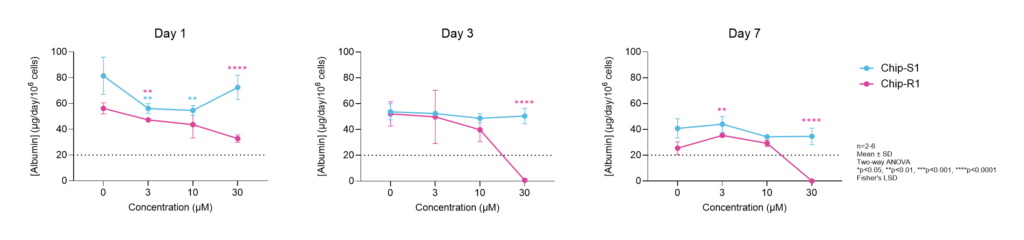
ALT Response
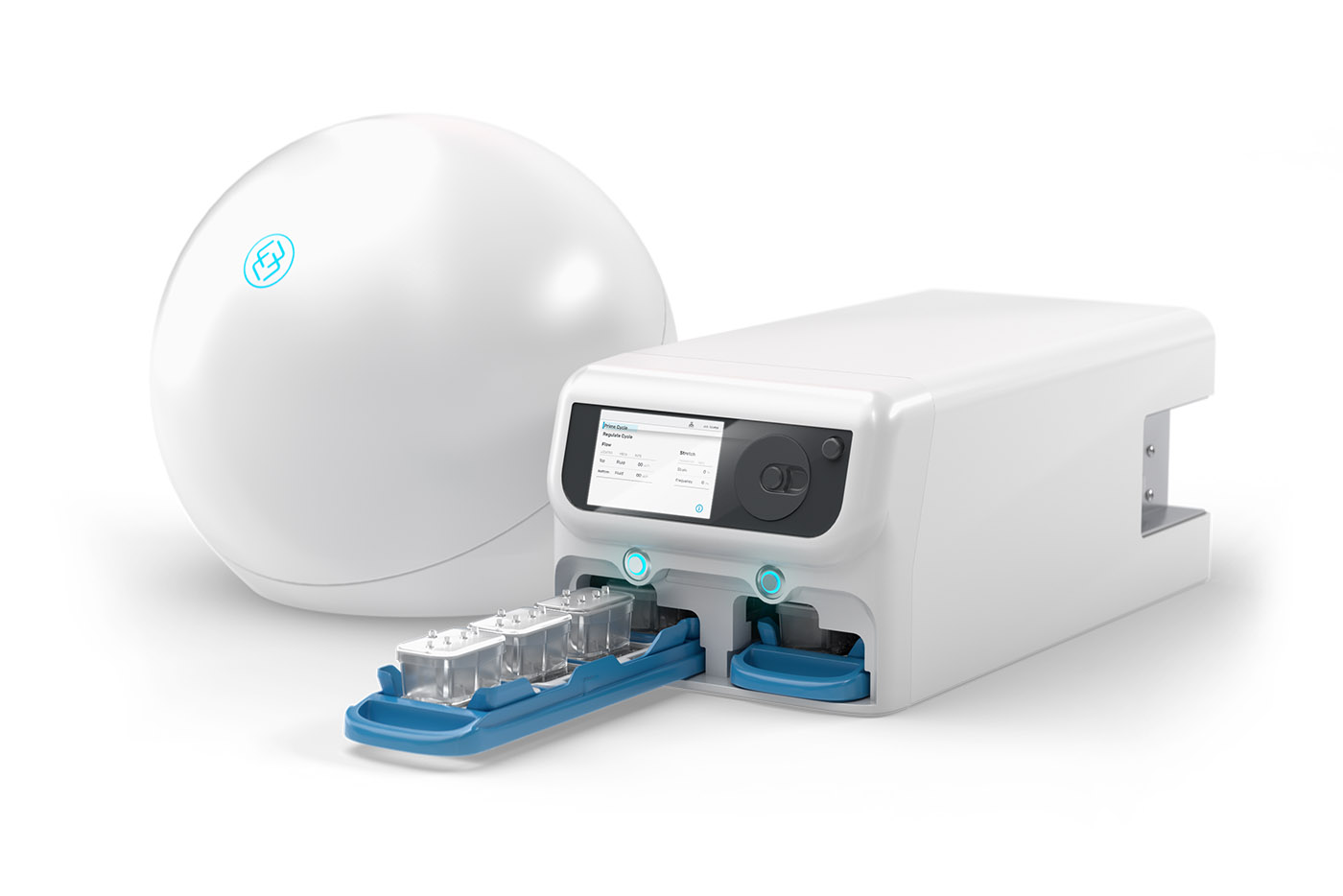
The Human Emulation System is comprised of instruments, consumables, and software in a flexible, open format. The user-friendly platform gives researchers a window into the inner workings of human biology.
Learn more about Chip-R1 and how it ensures greater accuracy for evaluating drug candidates, while building on key microfluidic capabilities.