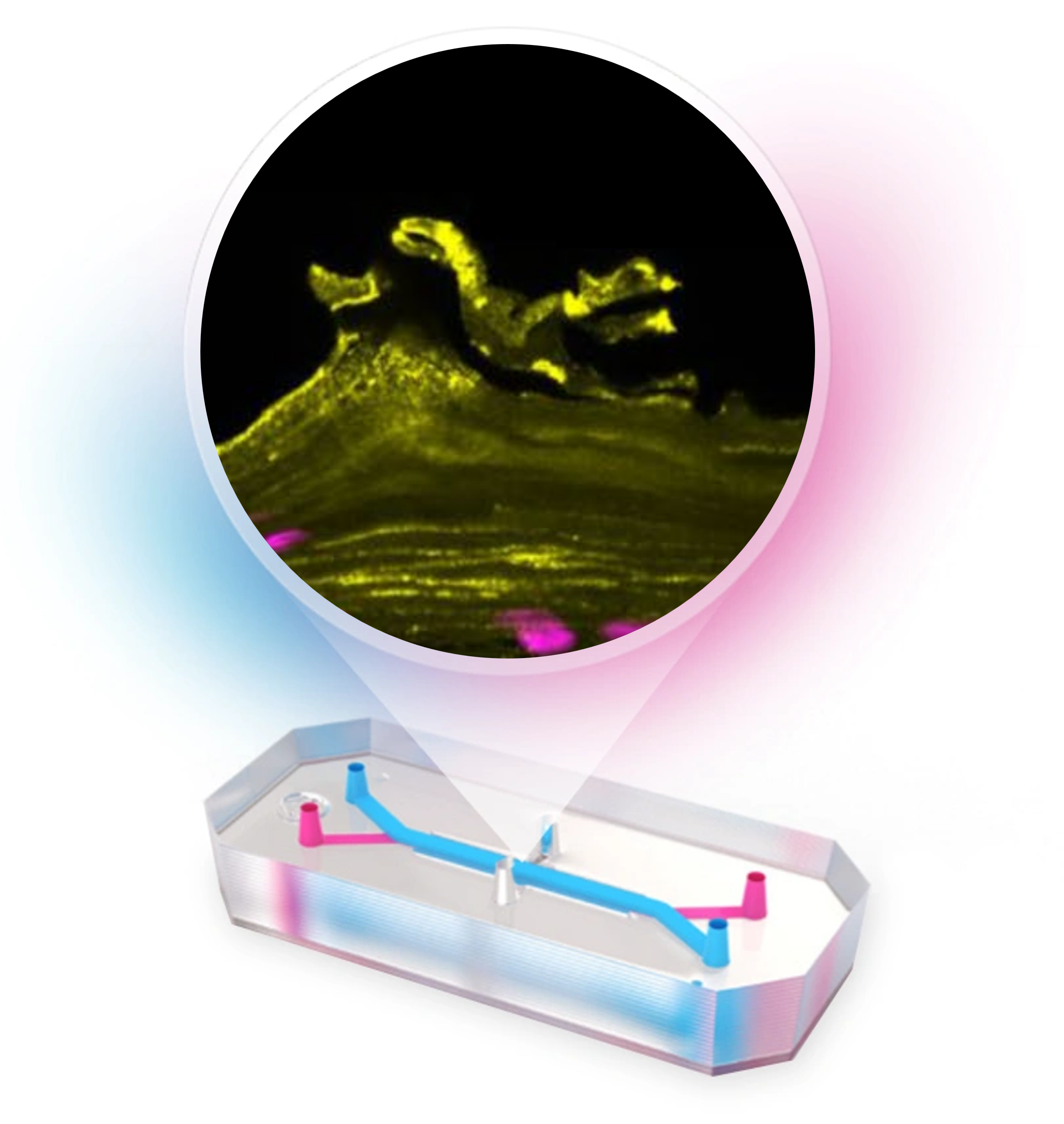
Vagina-Chip

Catalogue No.

Vagina-Chip
  • Description
  • Model Overview
  • Benefits
  • Vagina-Chip
  • Guided Model
  • Case Studies

Supplier

Emulate Bio

|

Catalogue No.

Vagina-Chip

Vagina-Chip

Study host-microbiome interactions and test new therapies in human vaginal mucosa

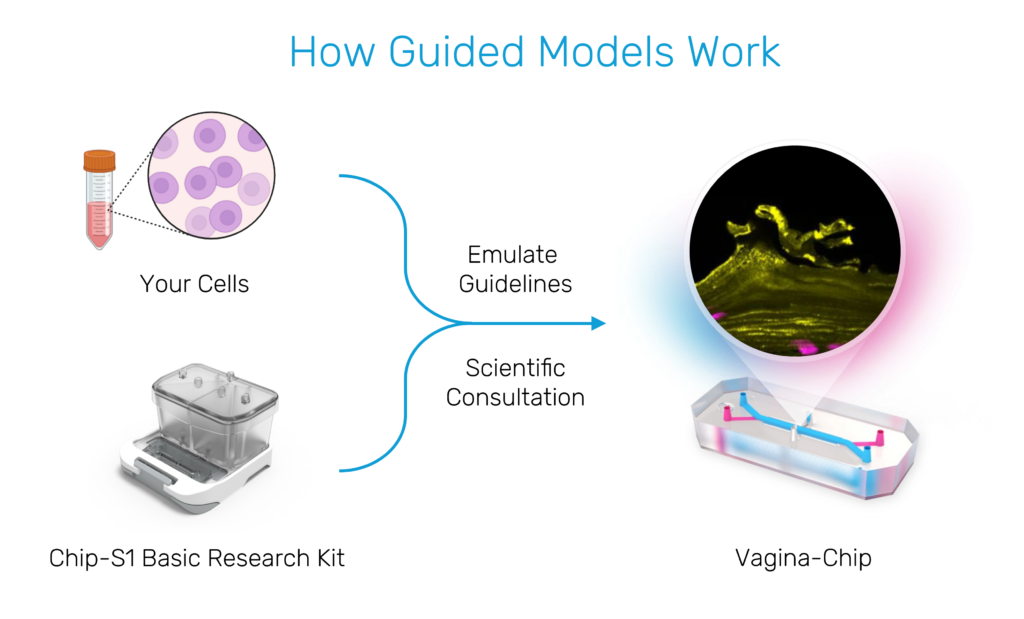
The Vagina-Chip is a Guided Model that Emulate has firsthand experience developing and supporting. It can be created using a Basic Research Kit and a user’s own cell sources. For Guided Models, Emulate offers guidelines and field scientist support to build a Vagina-Chip using the Human Emulation System.

  • Description
  • Model Overview
  • Benefits
  • Vagina-Chip
  • Guided Model
  • Case Studies
Description icon

Study host-microbiome interactions and test new therapies in human vaginal mucosa

The Vagina-Chip is a Guided Model that Emulate has firsthand experience developing and supporting. It can be created using a Basic Research Kit and a user’s own cell sources. For Guided Models, Emulate offers guidelines and field scientist support to build a Vagina-Chip using the Human Emulation System.

Model Overview icon

A human-relevant preclinical model of the vaginal epithelium

The Vagina-Chip faithfully reproduces the vaginal microenvironment to enable preclinical validation of potential therapeutics or evaluation of vaginal epithelium-microbiome interactions.

Benefits icon

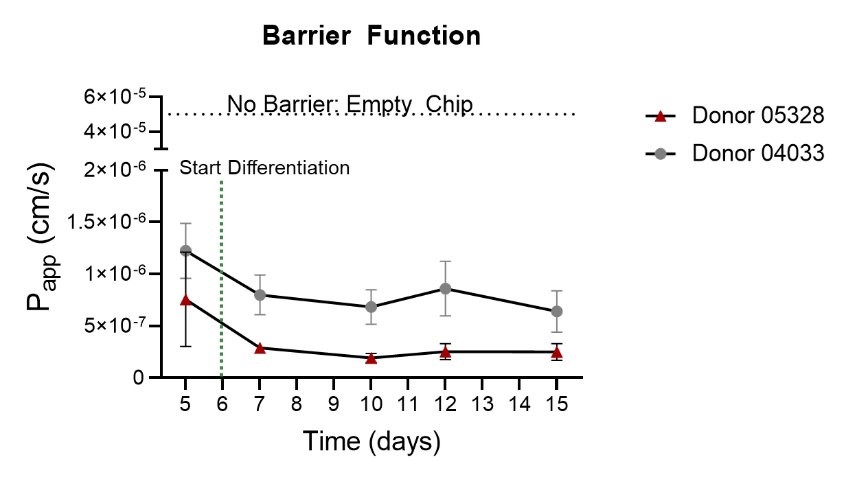
Sustained barrier function

The co-culture of human vaginal epithelial cells with fibroblasts results in a strong epithelial barrier that was maintained for up to 15 days.


Physiologically relevant pH

The vaginal epithelium maintains the physiological acidic pH for optimal cell viability.


Hormonal responsiveness

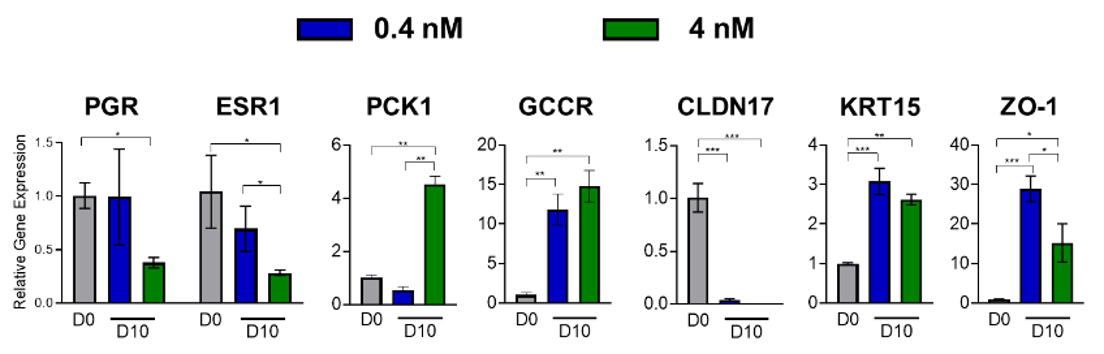
The Vagina-Chip recapitulates in vivo human vaginal epithelium responsiveness to variations in sex hormone levels, enabling researchers to mimic hormonal fluctuations during the menstrual cycle.


Stable bacterial co-culture

Organ-Chips enable stable co-culture of epithelial cells and bacteria without leading to bacterial overgrowth, enabling researchers to assess optimal and non-optimal microbiomes.


Vagina-Chip icon

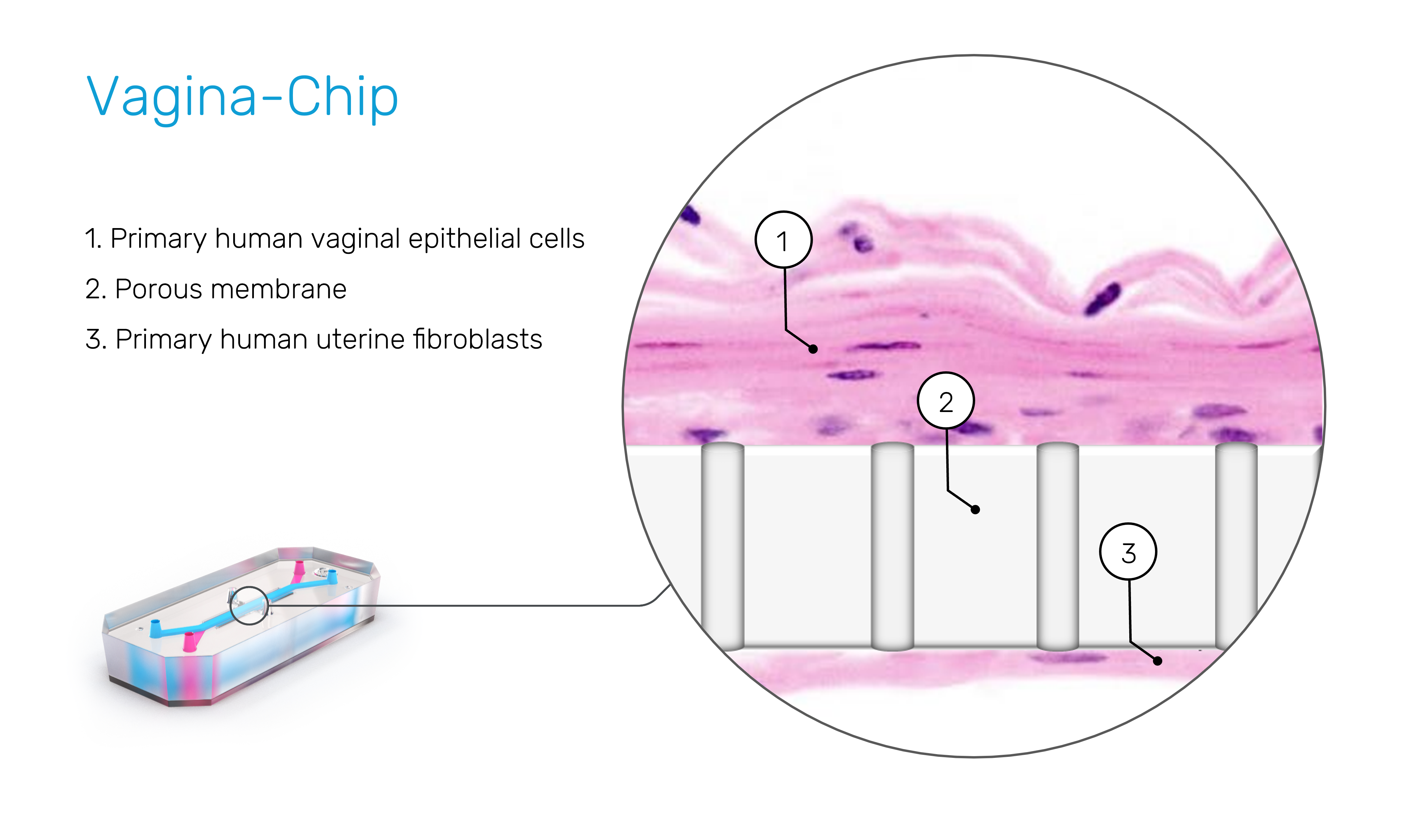
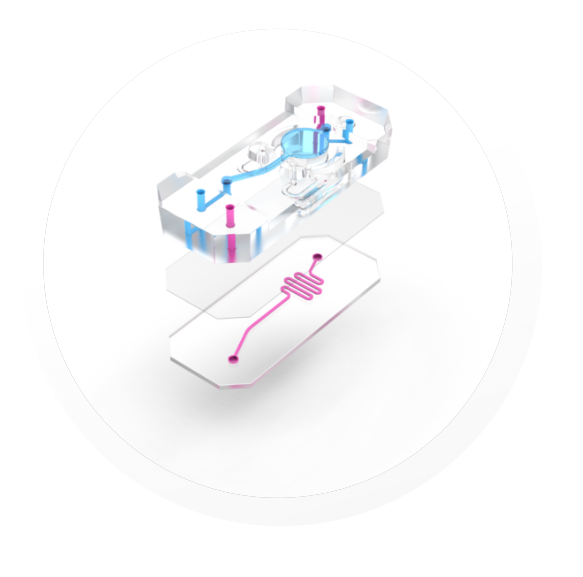
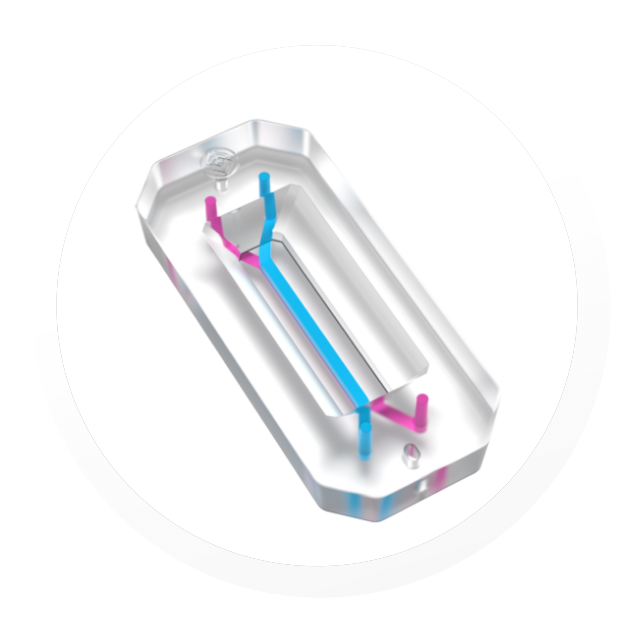
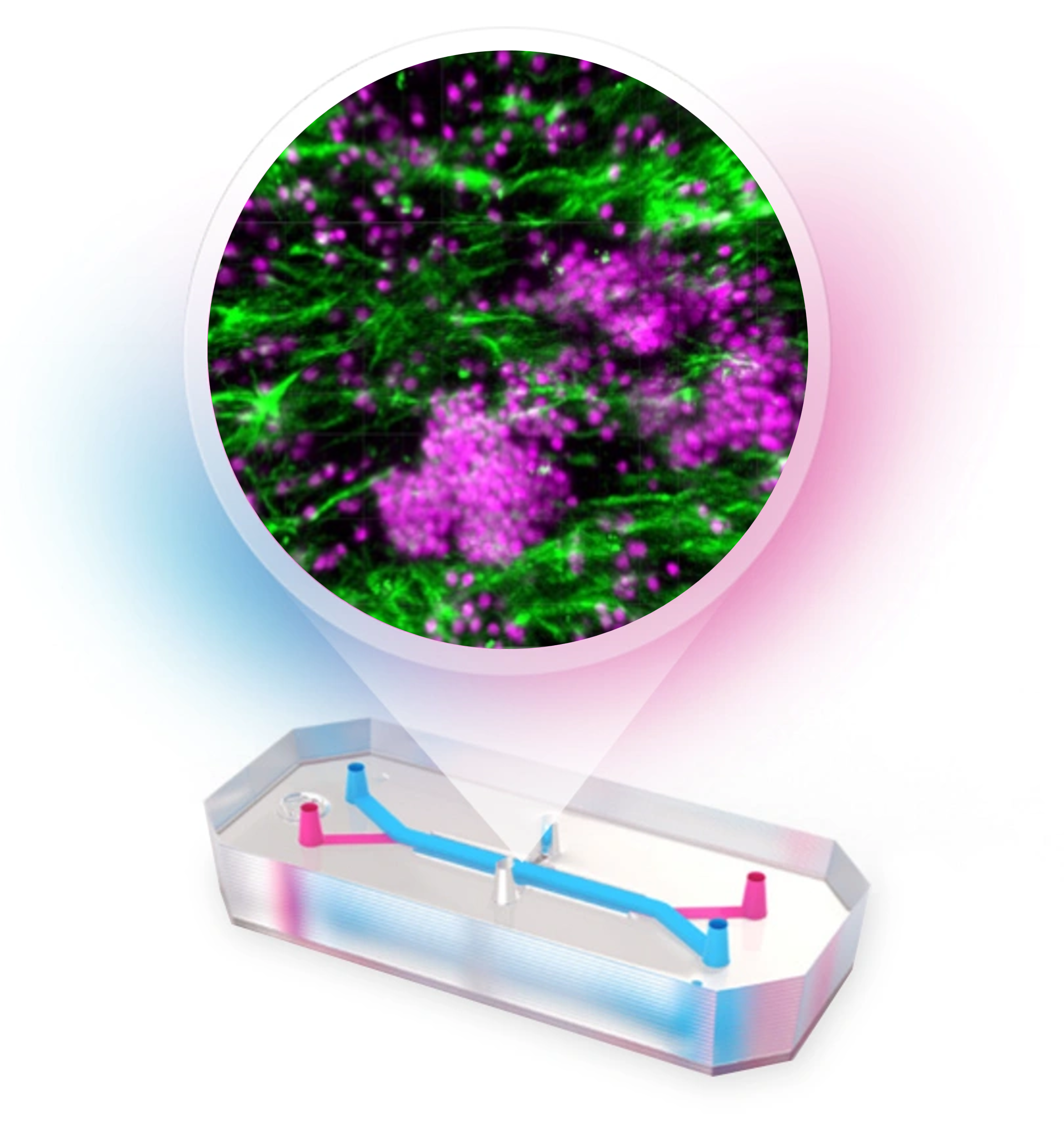
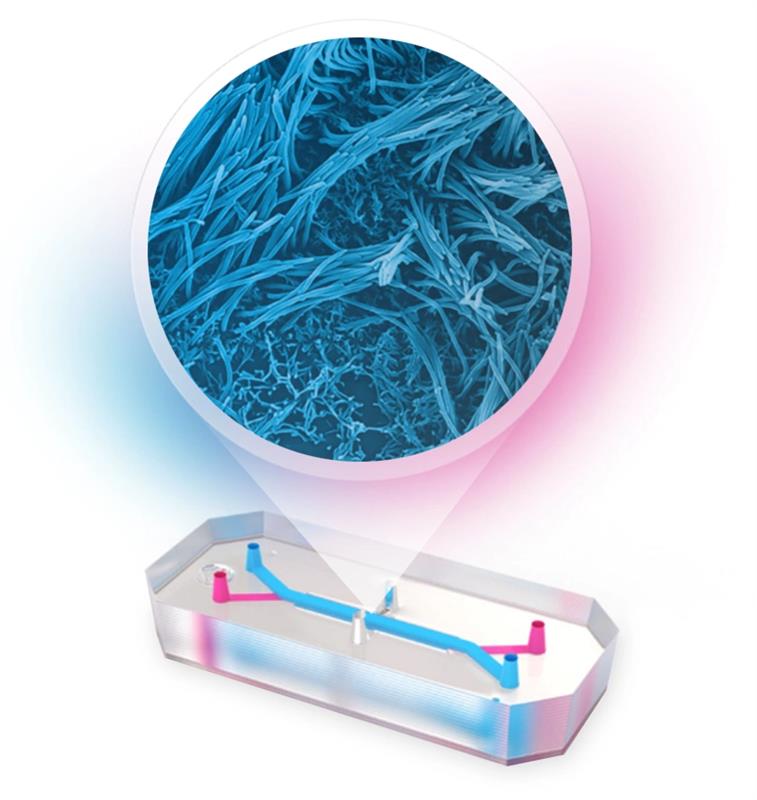
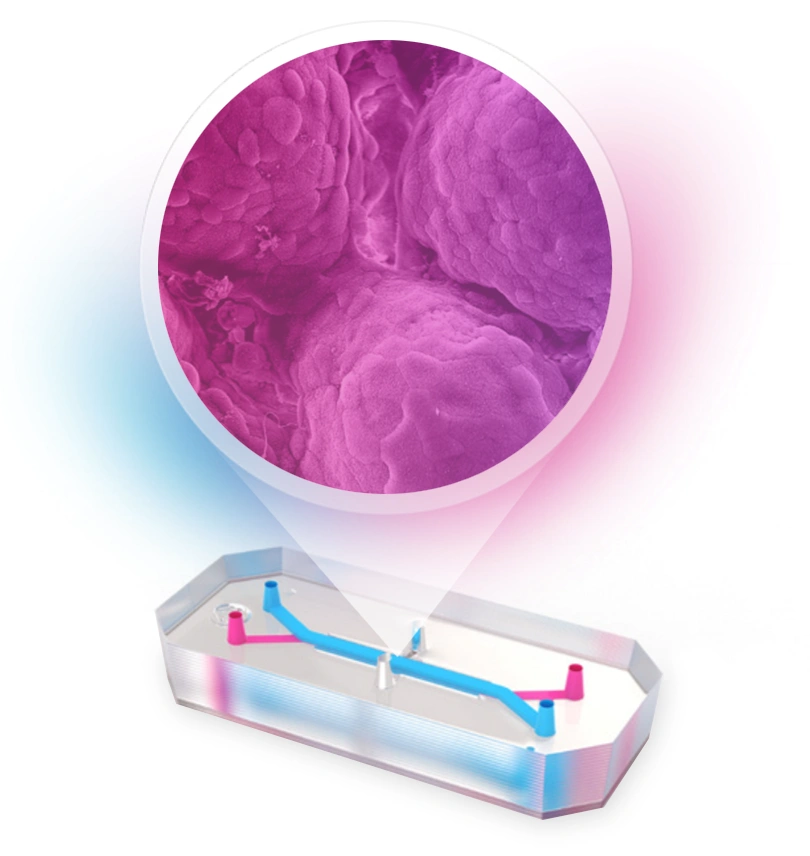
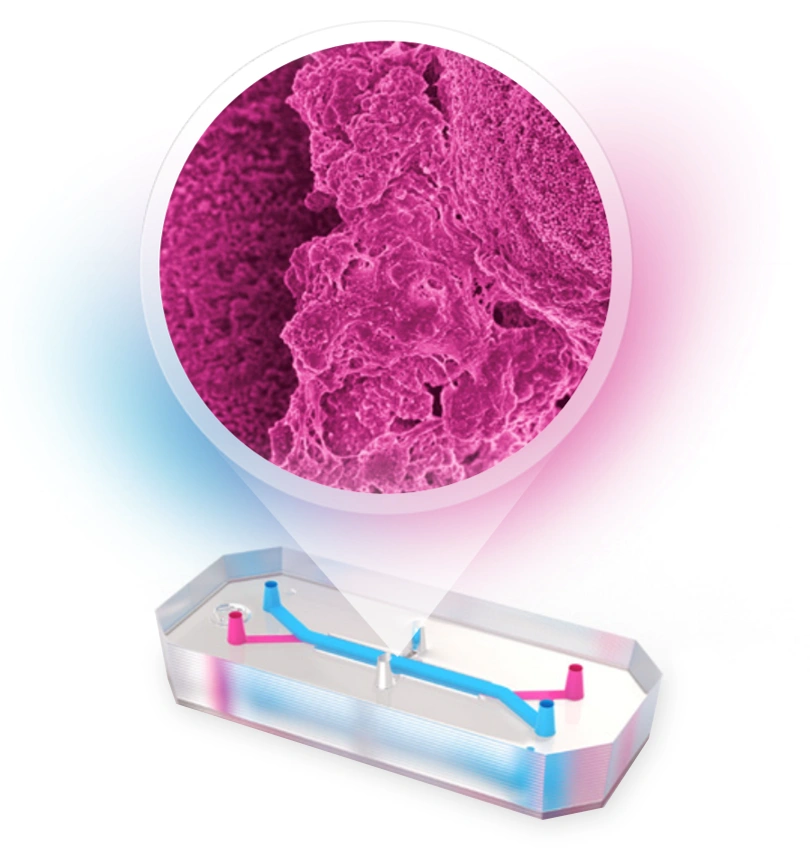
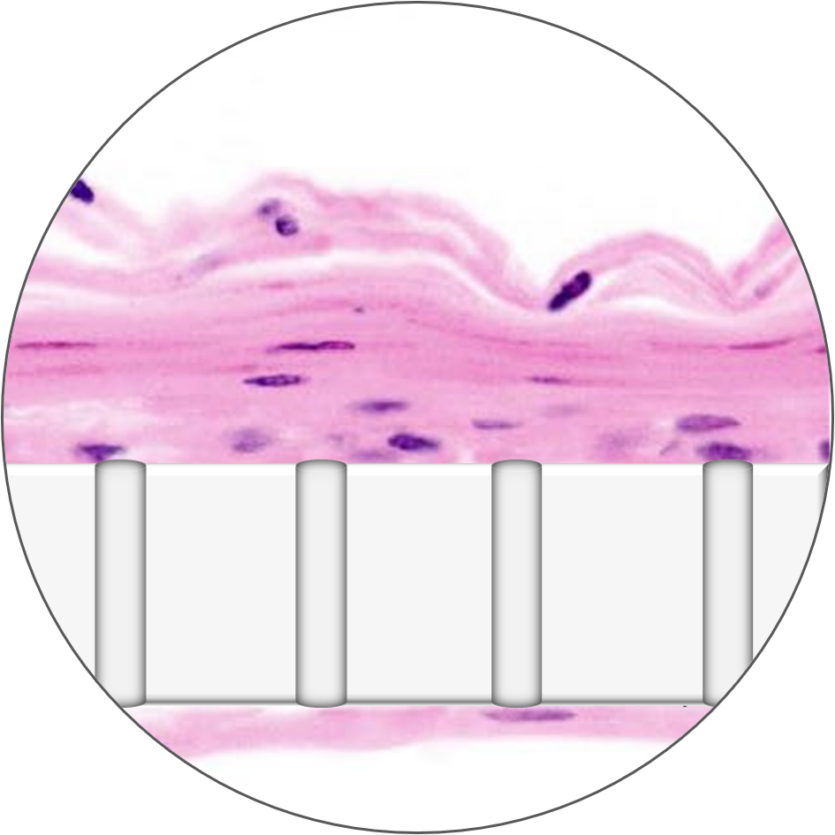
The Vagina-Chip design consists of primary human vaginal epithelial cells in the upper channel, while primary human uterine fibroblasts form the stromal layer in the lower channel of the chip. The porous membrane allows cellular cross-talk between the two compartments.

Guided Model icon

The Vagina-Chip is a Guided Model that Emulate has firsthand experience developing and supporting. It can be created using a Basic Research Kit and a user’s own cell sources. For Guided Models, Emulate offers guidelines and field scientist support to build a Vagina-Chip using the Human Emulation System.

Case Studies icon

Community Publication

Vaginal microbiome-host interactions modeled in a human vagina-on-a-chip

Read this publication to learn how researchers at the Wyss Institute developed a human model of the vaginal epithelium to better understand interactions between the vaginal microbiome and host tissues as well as to evaluate the safety and efficacy of live biotherapeutics products. Learn More

Publication Highlights

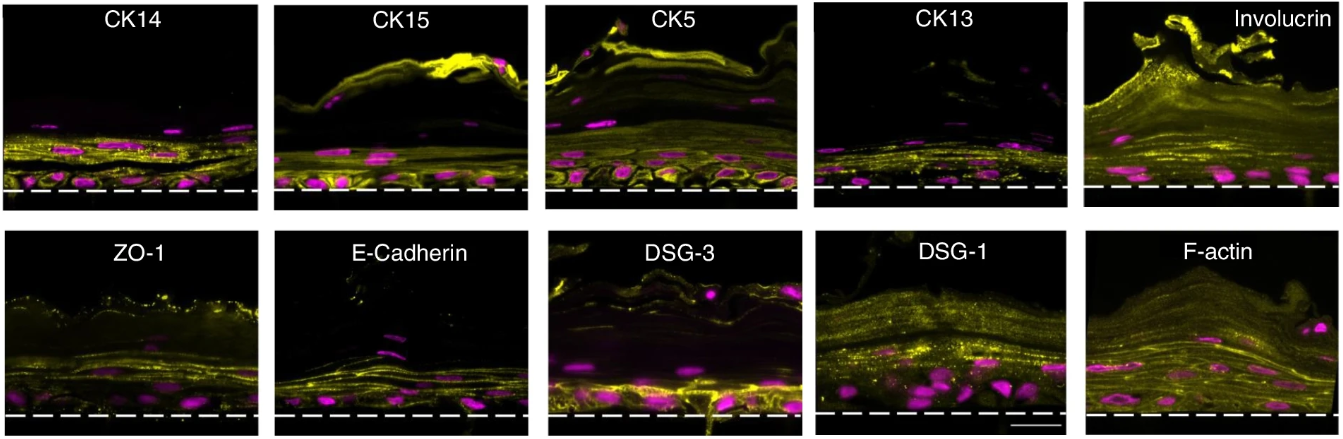
Tissue-Specific markers

The Vagina-Chip exhibits a well-differentiated epithelium with tissue-specific basal, suprabasal, and superficial markers. (Source: Microbiome)

Barrier Function

The co-culture of vaginal epithelial cells with fibroblasts on chip resulted in the creation of a strong epithelial barrier that persisted for up to 15 days. (Source: Microbiome)

Responsiveness to Estrogen

The Vagina-Chip recapitulates the responsiveness of the human vaginal epithelium to variations in sex hormone levels. (Source: Microbiome)

Assessing Dysbiosis

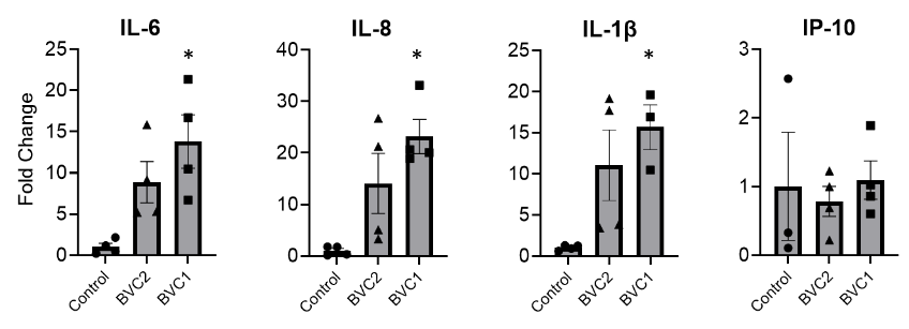
The co-culture of non-optimal vaginal microbiomes in the Vagina-Chip resulted in increased production of pro-inflammatory cytokines, similar to in vivo observations. (Source: Microbiome)

Related Product

SciMed (Asia) Pte Ltd | A Member of PHC Group
Privacy Overview

This website uses cookies so that we can provide you with the best user experience possible. Cookie information is stored in your browser and performs functions such as recognising you when you return to our website and helping our team to understand which sections of the website you find most interesting and useful.